
Discover Unique Skateboard Decks as Wall Art
Intro
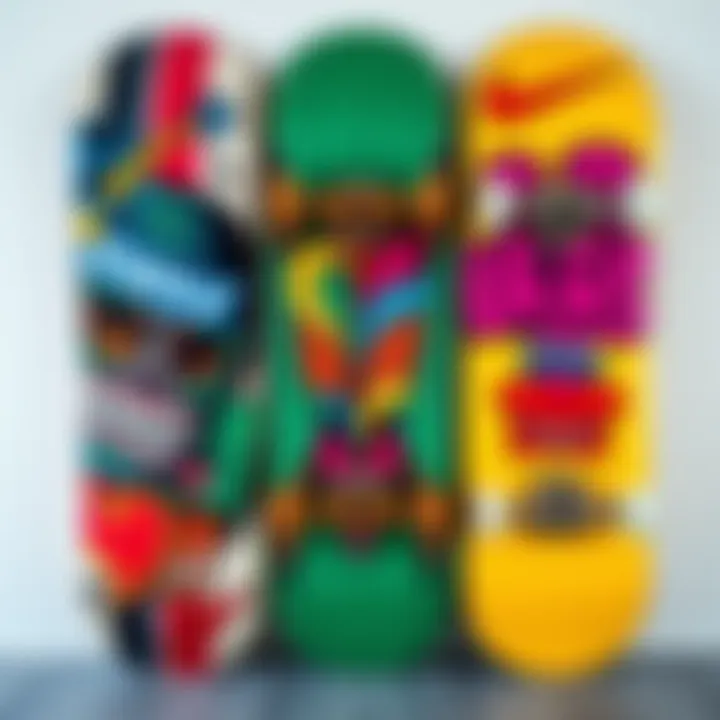
Skateboard decks have evolved far beyond their functional purpose and now serve as canvases for artistry and expression. With vibrant designs, unique graphics, and a rich cultural history, these boards are becoming cherished pieces of wall decor in homes and studios alike. Many skaters and art enthusiasts alike find beauty in the raw aesthetics of these decks. Whether showcasing a deck that depicts an iconic moment in skateboard history or one that captures a personal story, they can serve as a window into the diverse world of skate culture.
Today, we’ll take a closer look at how skateboard decks can be transformed into striking wall art. This exploration will reveal the vast array of styles available, the underlying cultural narratives behind the designs, and practical insights for displaying them effectively. If you’ve ever wondered how to elevate your space while embracing skate culture, you’re in the right place. Let’s dive into the world of skateboard deck art and see how it can make a statement in any setting.
Understanding Deck Styles and Designs
Before we choose how to display skateboard decks, it’s essential to grasp the different styles that are out there. From pop culture references to abstract art, the variety is astounding. Here’s a closer look:
- Graphic Designs: These often feature bold colors and iconic illustrations that resonate with specific subcultures within skateboarding.
- Minimalist Styles: Clean lines and subtle hues offer a sleek look. A bare wood deck can also serve as a classy, understated option.
- Custom Art: Many artists create one-off designs on decks, sometimes even integrating elements of personal experiences or social commentary.
Each style tells its own story. A skateboard deck might evoke nostalgia for your teen years, remind you of your favorite band, or simply inspire awe with its artistic prowess.
"Skateboarding is not just a sport; it’s a way of life, and often, the deck reflects that lifestyle."
Cultural Significance of Skateboard Deck Designs
Why do skateboard decks hold cultural weight? Well, skateboarding has a rich history rooted in self-expression and rebellion. The designs found on decks often borrow from or comment on wider social trends, movements, and even controversies. Here are a few examples that stand out:
- Iconic Brands: Think of Powell Peralta or Santa Cruz—their graphics have shaped skate culture for decades.
- Street Art Influence: The connection between skate decks and graffiti is evident in many designs showcasing street art styles.
- Pop Culture Fusion: Many decks play homage to movies, music, or famous figures, creating a cultural dialogue between different realms of art.
Incorporating these pieces into your wall decor not only enhances aesthetic value but can also serve as a conversation starter that reflects deeper societal themes.
Practical Tips for Displaying Skateboard Decks
Now that we've set the stage, let's talk about how you can display these decks in your home or studio. After all, artistry deserves the right backdrop:
- Use Wall Mounts: Invest in appropriate wall mounts designed for skateboard decks to showcase them securely.
- Create a Gallery Wall: Mix skateboard decks with other art forms—photos, frames, or even textile art can complement these pieces.
- Consider Lighting: Highlight decks using spotlights or ambient lighting to make the colors pop.
- Layer or Group: Arrange multiple decks to create a visually dynamic display that draws the eye.
Each display option allows you to personalize the space in a way that speaks to who you are. This personal connection makes each deck more than mere decoration, turning them into focal points of memory and art.
Integration into Interior Aesthetics
Incorporating skateboard decks into various interior styles opens up limitless possibilities. From modern minimalism to rustic charm, there’s a fitting approach for every taste. For instance:
- Industrial Style: Raw wood finishes can seamlessly align with exposed brick or metal details.
- Bohemian Vibe: Pairing colorful decks with a plethora of eclectic items can create a vibrant atmosphere.
Understanding these artistic expressions will help you blend them into your surroundings, creating a cozy yet striking aesthetic.
Epilogue
The world of skateboard decks as wall art is both expansive and richly textured. It encapsulates a culture that celebrates creativity, diversity, and self-expression. Whether you’re a skater or an art lover, a skateboard deck can be a perfect accent to your space. By choosing designs that resonate with you and displaying them in thoughtful ways, your walls will not only tell a story but also reflect the heartbeat of a community steeped in artistic flair.
For more on the intersection of skate culture and art, you can explore resources such as Wikipedia and Britannica. Be sure to check out communities on Reddit for shared experiences and inspirations.
The Evolution of Skateboard Decks as Art
Skateboard decks started out simply as functional pieces of equipment, but they have evolved into a significant form of artistic expression. This transformation mirrors the journey of skate culture itself, a culture that thrives on innovation and individualism. The evolution of skateboard decks as art encapsulates not just the development of graphic designs but also the broader narrative of how skateboarding reflects societal trends and cultural shifts.
Understanding this evolution is crucial as it allows us to appreciate skateboard decks beyond their practical function. They represent creativity, personal identity, and a lasting mark on contemporary art. The decks serve as canvases where artists showcase their talents, often reflecting their beliefs, experiences, and the essence of the skateboarding subculture.
Historical Overview of Deck Designs
The journey of skateboard deck designs goes back to the early 1970s when skateboarding began gaining popularity. The first decks were primarily wooden planks with rudimentary designs, dappled with vibrant colors and logos of emerging skateboard brands like Z-Flex and Santa Cruz. As the sport evolved, so did the designs.
By the late '70s and early '80s, decks began to feature more intricate graphics. Artists and companies saw the potential for advertising and expression. The infamous skull logo of the 'Skull Skates' brand or the iconic 'Valley of the Shadow' design showcased how graphics could be used to convey an attitude. Even then, each design went beyond branding – they were storytelling tools.
Fast forward to the 1990s, and the arrival of street skating brought a dynamic change. Decks morph into symmetrical shapes with wider stances. The graphics reflected personal stories, social issues, and artistic movements, thanks to the influence of hip-hop culture and graffiti art. Collaborations between street artists and skateboard manufacturers became commonplace. Jeff Grosso’s decks are a perfect example of how designs can blend intricate street art with functionality.
More recently, the influence of technology and digital platforms has further transformed deck designs. A simple idea from a local artist can reach screens globally in seconds. Limited edition decks from companies like Element or Anti-Hero collaborate with well-known artists, making sophisticated designs accessible to everyone, creating an unforeseen intersection of art and commercialization.
This historical progression is not merely a timeline of designs but a reflection of the shifts in youth culture, artistic movements, and societal change.
Influence of Skate Culture on Artistic Expression


Skateboarding is more than a sport; it is a lifestyle, a mode of expression colored by rebellious attitude and creativity. The artistic expression found in skateboard decks is a direct response to the culture surrounding it. Each deck serves as a statement, representing ideologies, freedom, and identity.
Skate culture has often thrived in environments of opposition, an antithesis to conformity. This spirit translates onto the decks, allowing artists to break boundaries and convey messages that resonate with their audience. Artists like Ed Templeton or Shepard Fairey, who started as skaters, exemplified this relationship. Their designs pushed the envelope, capturing the essence of skate culture while critiquing societal norms through their art.
Moreover, skateboarding often grapples with themes of community and belonging. Skateparks often serve as hotspots where styles intermingle and local talents emerge. The collaborative spirit fosters a breeding ground for new artistic trends. This constant exchange of ideas and influences helps each deck become something unique – more than just a piece of wood, but a collective voice for the skaters.
"Skateboard decks are not just for riding; they represent culture, identity, and artistry in every flip and grind."
Styles of Skateboard Decks
When turning skateboard decks into wall art, style is a core concept to embrace. The aesthetics of a skateboard deck can elevate a room’s vibe, showcasing not just the artistry involved in its design but also the personality of the owner. Different styles can cater to various tastes and preferences, ensuring there's something unique for everyone. When choosing the right style, consider how it resonates with your decorative theme, personal identity, and cultural influences. Ultimately, the deck you select serves as a canvas of expression, a tangible connection to the skate culture that birthed it.
Graphic Designs: An Artistic Perspective
Graphic designs on skateboard decks are a dazzling fusion of art and expression, telling stories visually. Whether it's a vintage design that captures a moment in skateboard history or a contemporary illustration from an emerging artist, these graphics can evoke emotions or provoke thought. Decks adorned with intricate artwork often represent the creativity and vibrancy within the skateboarding community.
Beyond aesthetics, the graphics can also symbolize cultural movements or social statements. Artists may thread social commentary into their work, making even a simple deck a conversation starter. For anyone displaying such pieces, you’re not merely hanging a deck; you’re showcasing a piece of culture.
"Every graphic tells a story; it’s about more than just aesthetic appeal."
When considering graphic designs, it’s essential to think about:
- Themes: Does the deck reflect your interests or values?
- Color schemes: How do the colors fit into your existing decor?
- Artistic styles: Are you drawn to abstract, street art, or classical designs?
Minimalist Decks for Modern Aesthetics
In the realm of modern interior design, minimalism reigns supreme. Skateboards with minimalist designs boast clean lines and understated elegance, making them perfect for homes that embrace simplicity. These decks often feature solid colors or basic geometric patterns, allowing them to meld seamlessly into contemporary spaces without overwhelming the senses.
Minimalist decks emphasize the beauty of simplicity, often drawing attention to the craftsmanship involved rather than the art itself. They can serve as a backdrop to other decor, ensuring a cohesive look while contributing to the overall aesthetic. To find the right minimalist skateboard deck, keep an eye out for:
- Neutral hues: Colors like black, white, or gray make a smoother integration.
- Subtle textures: A deck with a unique finish—like matte or varnished—adds depth.
- Simple shapes: Clean lines and lack of unnecessary embellishments can stand out in a prominent way.
Custom Decks: Personalization and Identity
For those who want their space to reflect their unique identity, custom skateboard decks are the way to go. Customization allows individuals to add personal touches, transforming a standard board into a visual representation of one's self or creative vision. Many skaters enjoy the process of designing their deck, which may incorporate names, favorite quotes, or original artwork that tells their story.
A customized deck can also hold significant emotional value. It may symbolize achievements, friendships, or memories, becoming a cherished piece of art that tells a broader life narrative. When opting for a custom deck, consider:
- Personal elements: Think about what designs or logos hold significance for you.
- Collaboration options: Work with local artists for something truly special and unique.
- Practicality: Ensure the deck is not only a piece of art but also remains functional if ever needed.
By choosing styles that resonate personally, skaters and art lovers alike can ensure that their wall displays are not just aesthetic choices, but reflections of their journeys and identities.
Choosing the Right Deck for Display
When it comes to showcasing skateboard decks as artistic pieces, making a well-informed choice is key. A deck that captures attention isn't just about the artwork or the brand; it also hinges on how its size, shape, and color fit into your chosen space. Before you drill any holes or pull out the tape measure, it’s vital to consider some specific elements that can turn your display into a conversation starter rather than just a cluttered wall.
Size and Shape Considerations
The dimensions of your skateboard deck can make or break its impact on the wall. For instance, a wide deck, with its broad surface area, can serve as a bold statement piece, especially in a minimalist setting. Conversely, sportier and narrower decks may meld better in a gallery style display, especially when paired with other similar pieces. Here are a few points to ponder:
- Proportions Matter: A gigantic board overwhelmed by an expansive wall could lose its charm. On the flip side, a tiny deck swallowed by broad spaces might end up looking out of place. Aiming for balance is often where the magic happens.
- Shape Unique: Skateboards come in all shapes like popsicle, cruiser, and even longboards. Specialized shapes can add dimensionality to your arrangement and even become a focal point in the area. Consider how the curvature interacts with surrounding elements; a rounded corner deck could soften a harsh look or add visual interest amongst straight lines.
- Layering: Combine smaller decks with larger ones for a layered look. This layering allows you to play with heights and forms, leading to a more textured appearance on your wall.
A good rule of thumb? When in doubt, sketch out your wall space before committing. Sometimes, seeing it on paper helps refine your ideas and gives clarity on how the sizes can interact.
Color Coordinating with Existing Decor
Color is more than just an aesthetic choice; it’s a conversation starter. Fitting your skateboard deck's color scheme with the existing decor adds cohesion to the room. It’s vital to consider:
- Complementary Colors: Study the existing colors in your space. If your walls are painted a soft blue, a deck with warm hues could create an eye-catching contrast. On the contrary, an all-blue deck might create a serene, monochromatic look.
- Accent Versus Primary Colors: Think about what role your street art plays within the room. If it’s merely supplemental, go for lighter shades or decks with neutral colors. If you’re aiming for a head-turner, vibrant colors can’t be overlooked.
- Textures Count: The finish of the deck provides yet another layer. Glossy finishes reflect light, which can add vibrancy to darker spaces. Matte finishes offer a subdued elegance and can suit more refined decor without being overly ostentatious.
Whether you’re juxtaposing your deck with vibrant artwork or a subtly toned room, achieving harmony requires a thoughtful eye. Don’t shy away from experimenting, as the right combination can breathe new life into your space and your skateboard display.
"A well-coordinated deck isn’t just about colors working together; it’s about creating an atmosphere that marries art and lived space, creating a home canvas that tells your unique story."
Ultimately, whether your focus is on the size and shape or harmonizing with decor, taking these elements into account ensures your skateboard deck is not just mounted on the wall, but rather integrates seamlessly into your lifestyle and personal style.
Displaying Skateboard Decks on Walls
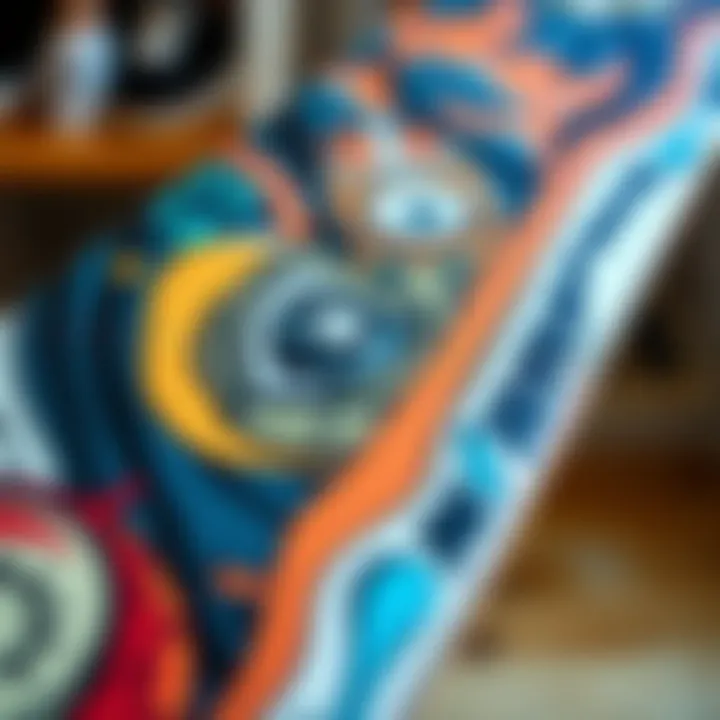
Displaying skateboard decks on walls is more than a mere aesthetic choice; it's a celebration of culture, creativity, and individuality. The transformation of these functional pieces of equipment into striking art forms invites a dialogue between the past and the present, reshaping perceptions of skateboarding. Choosing to showcase skateboard decks involves thoughtful consideration of space, alignment with personal style, and an appreciation for the craft behind each design.
Benefits of Displaying Skateboard Decks
Skateboard decks, when mounted on walls, serve as unique conversation starters, beauty points that add character to any environment. The vivid colors and intricate graphics capture the essence of skate culture and create a visual focal point that can energize a room. Additionally, showcasing boards that resonate with personal experiences or memories can evoke nostalgia, making each deck not just art, but a piece of history.
Moreover, it’s an effective way to inspire others, particularly the younger generation, about the culture, art, and community surrounding skateboarding. It reminds viewers of the freedom and creativity associated with the sport.
Mounting Techniques for Safekeeping
When it comes to mounting skateboard decks, choosing the proper technique ensures that they remain secure while also preserving their pristine condition. Here are some reliable methods:
- Wall Hangers: Specialized wall hangers are designed to grip the board without damaging it. They are easy to install and provide a clean look.
- Picture Frame Methods: You can use large frames to encase the decks like fine art. This not only protects them from dust but also enhances their visual appeal.
- Floating Shelves: Mount floating shelves to display your decks horizontally. This can create a more dramatic effect and provides a wonderful way to mix in other decorative items.
"A skateboard deck on the wall is not just an object; it’s a testament to the lifestyle and artistry behind every board."
Keeping the boards clean and well-maintained while on display is important. Be sure to avoid direct sunlight which can fade colors, and regularly dust them off to prevent grime buildup.
Creating a Gallery Wall Display
Crafting a gallery wall with skateboard decks can turn a plain wall into an artistic showcase. This approach requires some planning, but the final result can be quite striking. Consider these steps to curate an engaging display:
- Select a Theme: Decide if you want a cohesive look—perhaps all graphic boards—or an eclectic mix of styles. A thematic approach ties everything together.
- Layout Planning: Before drilling holes in the wall, lay out the arrangement on the floor. Play around with placement until it feels visually balanced.
- Height and Spacing: Keep heights consistent and space between the decks uniform for a polished look.
- Incorporate Other Elements: Mix in photos, skate tools, or memorabilia that relate to your skating journey, making the collection versatile.
Additional Tip: Using removable adhesive strips can be a great option for those who might want to re-arrange their collection from time to time.
Incorporating Decks into Diverse Aesthetics
Skateboard decks possess a versatility that allows them to blend seamlessly into various design aesthetics—from industrial lofts to cozy homes. Here’s how you can merge these boards into different decor styles:
- Industrial: Pair decks with metal furnishings and exposed brick. The combination emphasizes a raw aesthetic that works well.
- Bohemian: Use vibrant decks against colorful walls and mix them with plants, textiles, and eclectic art for an inviting, laid-back vibe.
- Minimalist: Opt for simple, monochromatic decks mounted on clean white walls. This contrast draws attention to the artwork without feeling cluttered.
- Retro: Match vintage-themed decorations with classic skateboards from past eras, creating a nostalgia-laden atmosphere.
Maintenance and Care for Wall-Mounted Decks
Taking proper care of wall-mounted skateboard decks is crucial for enhancing their visual appeal and longevity. This guide will illuminate the significance of maintenance in preserving the artwork you have chosen to showcase. A skateboard deck on your wall is not just a decorative piece; it’s a representation of your identity, a piece of culture that deserves attention. Not only do these decks attract admiration, but they also can hold memories that may diminish if neglected.
When considering maintenance, think beyond simple dusting. It encompasses understanding the materials of the deck, the environment in which it's displayed, and the best cleaning methods that align with each unique style.
Cleaning Methods for Various Materials
Skateboard decks are often made from different materials, and as such, require varying cleaning techniques. Here’s a rundown based on common materials:
- Wood: A classic choice. Wood decks can gather dust and grime, making them appear dull. Use a dry microfiber cloth to maintain a sheen. Occasionally, a damp cloth can be employed for deeper cleaning, but ensure that it is not soaked.
- Plastic or Composite: These materials are generally more resilient. A gentle all-purpose cleaner and a soft cloth work wonders. Remember to avoid any harsh chemicals that may strip color or finish.
- Painted or Graphic Designed Decks: If your deck sports elaborate designs or hand-painted graphics, the right approach is key. Use a soft brush to remove dust and a slightly moist cloth for refreshment. Be cautious about getting graphic designs too wet as paint can run or chip.
For general upkeep, vacuums fitted with brush attachments can also be very effective for avoiding buildup without causing scratches or damage.
Preventing Damage and Wear Over Time
Once you’ve got cleanliness down pat, prevention strategies come next. Here are several tips to keep your decks in pristine condition:
- Avoid Direct Sunlight: Prolonged exposure to sunlight can discolor the deck's graphics and weaken the materials. It’s like leaving a piece of art in a blast furnace—eventually, it will fade.
- Regular Inspections: Every so often, take a closer look at the condition of your decks. Look for signs of wear like cracking paint or warping wood, which may point to environmental issues.
- Use Quality Wall Mounts: Invest in sturdy wall mounts designed specifically for skateboards. This measure is pivotal for ensuring that the deck remains secure and doesn't end up falling and sustaining accidental damage.
- Limit Contact: When displaying them, generally keep them out of reach. This simple barrier reduces the risk of accidental nicks or scratches during everyday activities.
"Proper care can turn a simple skateboard deck into a cherished piece of art, ensuring it can be appreciated for years to come."
By committing time and effort to clean and protect your skateboard deck, you preserve the essence it holds. Think of maintenance not as a chore, but as the ultimate tribute to the culture that thrived on the very decks you display.
The Cultural Significance of Skateboard Decks
Skateboard decks are not just tools for tricks and flips; they embody a whole world of culture and self-expression. As skateboarders carve through streets and skate parks, their decks often serve as a canvas, reflecting personal beliefs, artistic trends, and the identity of the wearer. From the vibrant graphics that adorn each board to the craftsmanship involved in their production, skateboard decks encapsulate a lifestyle that resonates with many.
Decks as an Extension of Identity
For many skaters, a skateboard deck represents more than just a means of getting from point A to point B. It tells stories of adventures, friendships, and encounters in the skateboarding community. Each design can reflect personal tastes and preferences. For instance, a skater might choose a board with dark, moody art that resonates with their personality or opt for a fun, colorful graphic that speaks to their carefree attitude. It’s as if each deck serves as a badge of honor, as well as a reflection of the skater’s journey.
Why This Matters
- Personal Expression: Skateboard decks often carry unique graphics created by local artists or legends in the skating scene, making them a form of artistic expression. Choosing a particular deck can signal alignment with certain values or countercultural movements.
- Community Connection: Every deck has the potential to connect skaters with one another. For instance, wearing a deck from a local artist can spark conversations and foster connections within the community.
Just as much as brands have cultivated their identity within the skateboarding culture, individuals have also carved out niches that speak to their own experiences. The emotions tied to these selections can foster a sense of belonging and empowerment.
Influence of Skateboarding Legends on Design Trends


Since the early days of skateboarding, influential figureheads have shaped trends, not just through their amazing tricks but also through the designs they endorse or collaborate on. Consider the impact of Tony Hawk or Jamie Thomas. Their decks have often become collector's items, representing a bridge between sport and art.
Key Influences on Design Trends
- Iconic Collaborations: Collaborations between well-known skaters and artists have produced some of the most memorable designs in the sport. For example, Ed Templeton’s decks fuse skateboarding with contemporary art, bringing a unique edge that appeals not just to skaters but to art enthusiasts as well.
- Cultural Reflection: The designs can be a response to trends in larger societal movements, encapsulating the zeitgeist of a generation. Graphics may echo themes of rebellion, creativity, or even social issues, making skating decks a relevant medium for commentary.
“A skateboard deck is an artifact of culture; it reflects not only personal identity but also broader societal shifts.”
In a world where digital screens dominate, a physical skateboard deck stands out as a tangible piece of art—one that people can admire, collect, and display. The allure of skateboarding lies as much in its culture and philosophy as it does in its physical execution.
In summary, the cultural significance of skateboard decks extends far beyond their utilitarian purpose. They serve as true extensions of identity and as platforms for artistic expression, continually shaped by legends who inspire and elevate the sport.
Collecting Skateboard Decks
Collecting skateboard decks transcends mere hobby for many; it morphs into a profound passion that intertwines art, history, and personal identity. Skateboard decks have become more than tools for riding; they offer avenues for artistic expression and cultural significance. Each deck can tell a story—from the designer's creative mindset to the skater who rode it.
Identifying Rare and Valuable Pieces
When it comes to identifying rare and valuable pieces, knowledge is your most potent weapon. Knowing what to look for is key. Look for limited editions or decks created by respected artists. For instance, brands like Powell Peralta and Santa Cruz have graced the scene with decks that fetch impressive sums at auctions—some exceeding thousands of dollars.
Another point to note is the condition of the deck. Unused and in original packaging often commands higher prices.
"A rare deck isn't just about its brand; it's about the story behind it."
Consider researching online forums or communities like Reddit's r/skateboarding or specialized Facebook groups to keep up with trends and values. Skaters often share insights regarding what makes a deck special. Don't overlook the power of provenance; documentation of a deck's past can enhance its value dramatically.
Building a Curated Collection for Display
Curating a collection involves more than just acquiring popular pieces; it requires thoughtful consideration of themes and aesthetics. Start by deciding on a focus for your collection. You might want to assemble decks from a specific era, or perhaps prioritize pieces that showcase various artistic styles.
Arranging your collection is equally important for presentation. Consider factors such as:
- Color palette: Harmonize with your existing decor to create a cohesive look.
- Framing and mounting: Be mindful of how each deck will be displayed; proper mounting can enhance the aesthetic appeal.
- Curation over quantity: Just a few impactful pieces can take center stage rather than cluttering the walls with lesser-known designs.
Lastly, think about rotating decks occasionally. This keeps your display fresh while allowing you to enjoy different pieces throughout the year.
The Future of Skateboard Deck Art
In the realm of skateboarding, the evolution of skateboard decks transcends their functional purpose, stepping into the world of art in ways that are captivating many. Looking ahead, one can sense an unmistakable shift that intertwines artistic expression with the very fabric of the skateboarding community. This topic is significant for several reasons, encompassing the fusion of creativity, identity, and technology that continues to shape how skateboard decks are perceived and created in the future.
Skateboard decks are not merely tools for skating; they are canvases that reflect personal and cultural messages. As the world transitions into a more visually driven era, the demand for unique designs that capture individual stories is bound to grow. Connoisseurs of art and skating alike seek pieces that resonate with their identities. Moreover, emerging artists are finding innovative ways to express themselves, leading to a diverse array of styles and trends that reflect the dynamic nature of our society.
Another important facet of this future narrative involves the integration of technology in design evolution. The potential for digital art in skateboarding is immense. With advancements in 3D printing and laser cutting, the creation of complex designs will break the boundaries imposed by traditional manufacturing practices. Furthermore, artists leverage graphic design software to push their creative limits, creating visually stunning aesthetics that can appeal to broader audiences.
The anticipated proliferation of online platforms allows artists to share their work with a global community. This not only cultivates connections across geographical barriers but also fosters collaborations that enrich the landscape further. In this light, skateboard decks serve as instruments of cultural exchange, carrying snippets of diverse narratives and connecting individuals through their unique journeys.
The following subsections explore this intriguing evolution in detail, shedding light on the specific artists making waves in the scene and the technological innovations fueling their creativity.
Emerging Artists and New Trends
The blossom of new talent in the realm of skateboard deck art suggests that fresh ideas are sprouting like flowers in spring. There’s an air of excitement surrounding artists who are shaping the landscape, each reshaping what a skateboard deck can symbolize. These emerging artists are often influenced by vibes from street art, graphic design, and contemporary culture, merging their unique styles with the classic skate culture aesthetic.
It’s essential to consider their backgrounds. Many of these artists come from diverse artistic disciplines, previously engaging with various forms of visual art before landing in the world of skate decks. This variety in experience leads to a rich tapestry of graphic styles, employing elements such as:
- Bold colors and striking contrasts
- Intricate illustrations that tell a story
- Textures that evoke emotions, engaging the viewer
By pushing boundaries, these artists also influence established artists. A skater’s identity is often expressed through their deck; thus, the growing trend toward bold artwork, eccentric patterns, and even conceptual designs opens up a dialogue about personal and collective identity within the skate community. More than just aesthetics, these decks begin to carry messages that amplify the values of inclusiveness, rebellion, and individuality.
The Role of Technology in Design Evolution
As we move forward, it becomes impossible to ignore the role technology plays in reshaping skateboard deck artistry. With the rise of digital tools, the possibilities for deck design are virtually limitless.
Artists are harnessing the power of software like Adobe Illustrator, Procreate, and even augmented reality to create designs that were once thought impossible. They can experiment with textures, colors, and perspectives in ways that hand-drawn pieces simply can’t match.
While technology serves the artistic vision, manufacturing techniques have also evolved significantly. The introduction of 3D printing allows for the creation of custom decks tailored not just to aesthetic preferences but also to accommodate specific performance needs, blending form and function seamlessly.
Additionally, innovative printing techniques ensure that these designs stay vibrant and durable through wear and tear. Artists can now explore multimedia approaches, combining traditional painting with digital enhancements to yield captivating results that compel viewers and skaters alike.
This fusion of art and technology solidifies skateboard decks as pioneering pieces of art, pushing the envelope of what is possible in the field of design. With every artist who joins the movement, the future of skateboard decks as art continues to evolve, promising thrilling developments and a deeper connection within the skateboarding community.
"Skateboarding is not just a sport; it's an artistic expression. Every deck tells a story, and every story deserves to be heard."
By staying attuned to these trends and embracing new technologies, the culture surrounding skateboard decks will keep evolving, ensuring that they remain a dynamic canvas for creativity and personal expression.