Essential Techniques for Filming Yourself with a Phone
Intro
In today’s world, where video content is consumed at lightning speed, understanding how to film oneself effectively using a phone can greatly influence one’s ability to create engaging multimedia experiences. Whether you’re a skateboarder capturing a trick, a coach demonstrating a technique, or a parent wanting to archive precious moments, the ability to film with clarity and creativity is invaluable. This article aims to elucidate the techniques that can elevate your self-filming game, helping you to produce compelling and high-quality content with just a mobile device.
As the saying goes, "Practice makes perfect." But, without the right approach, practice can lead to unsatisfactory results. This guide is tailored for skaters, coaches, and educators—essentially anyone interested in effectively capturing life’s moments. We’ll cover essential skills development, insightful gear recommendations, and advanced tips to make sure your videos not only capture attention but also tell a story.
Skills Development
Enhancing your filming capabilities starts with developing fundamental skills. Each aspect of filming contributes to the overall quality of your videos. Here, we explore both basic tricks and advanced maneuvers to ensure you’re ready to roll.
Basic Tricks and Techniques
- Choosing the Right Angle: Angles can make or break a shot. For skateboarders, shooting from a low angle can add an exhilarating perspective. Coaches might prefer a straight-on view to better showcase techniques.
- Lighting Matters: Natural light is your best friend for smartphone videography. Aim to film during golden hour—just after sunrise or before sunset—for that flattering effect.
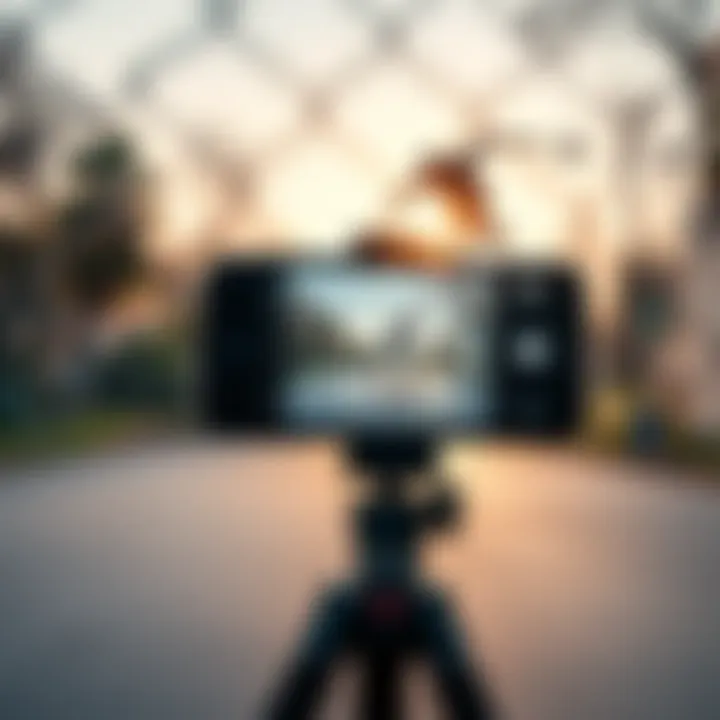
- Stable Footing: Shaky videos can detract from quality. Use a tripod or even a stable surface like a wall or bench to steady your phone. If those aren't available, holding your phone with both hands helps reduce jitters.
- Visual Composition: Understanding the rule of thirds can elevate your videos. Imagine splitting your frame into a grid of nine squares. Positioning your subject along these lines or at their intersections creates a more engaging visual flow.
Advanced Maneuvers and Tips
Once you’ve mastered the basics, it’s time to push your limits. Here’s where creativity springs into action:
- Dynamic Movement: Use panning shots or tracking techniques to create flow. For example, follow a skater as they zip by to add excitement.
- Close-ups and Cutaways: Adding variety through close-ups of board tricks or the concentration on a face enhances storytelling.
- Editing Magic: Familiarize yourself with free or low-cost editing apps like InShot or Adobe Premiere Rush. Seamless transitions and music can drastically elevate the final product.
- Sound Considerations: While visuals are critical, don’t neglect audio. Clear sound is essential, especially for instructional content. You might consider using an external microphone for sharper clarity.
“The best camera is the one you have with you.” This adage serves as a reminder to embrace your phone’s capabilities and make the most of what you have.
By honing these skills, you prepare yourself to film with confidence, delivering quality videos that resonate with your audience and serve your purpose well.
Understanding the Basics of Mobile Filmmaking
Mobile filmmaking is an art form that effectively transforms ordinary smartphones into powerful storytelling devices. Understanding the fundamentals of this craft is paramount, as it sets the foundation for creating quality videos that capture attention and convey messages clearly. This section acknowledges the various aspects and benefits tied to mobile filmmaking, especially for those who are at the onset of their journey.
In today’s rapidly evolving digital landscape, mobile devices are more than just communication tools; they serve as accessible pathways to creativity and self-expression. Whether you’re a skater wanting to document your tricks, a coach aiming to analyze performance, or a parent looking to capture precious moments, grasping the basics of filming with a phone tailors your approach to meet these distinct objectives.
Defining Mobile Filmmaking
Mobile filmmaking refers to the practice of creating videos using handheld devices, typically smartphones. It's not just about recording footage - it’s about blending technical skills with creative vision. It encompasses various elements, from camera settings and framing to editing techniques. The beauty of mobile filmmaking lies in its accessibility; it doesn't require costly equipment or extensive technical backgrounds.
To better grasp this definition, consider the key features that define mobile filmmaking:
- Portability: You can shoot anytime, anywhere, fitting into any lifestyle.
- User-Friendly Technology: Modern mobile devices come with integrated cameras that rival some professional setups.
- Instant Sharing: With just a few taps, you can share your creations across social media platforms, reaching a broad audience.
Why Use a Phone for Filming?
The question is not just about capability, but practicality. Why opt for filming with a phone? Here are a few clear reasons:
- Convenience: It’s always within arm’s reach, making it convenient for impromptu shoots.
- Versatility: The versatility of smartphone cameras allows for a wide range of styles, including slow-motion, time-lapse, or even live broadcasting.
- Cost-Effective: Investing in a smartphone can often yield more versatility than purchasing a standalone camera setup.
Moreover, there's an inherent intimacy with smartphone filmmaking that can forge connections. Whether it's a heartwarming moment shared with friends or a skater capturing their latest board trick, using a personal device adds a layer of authenticity to the narrative.
"The camera you have is better than the camera you don’t".
Essential Equipment and Accessories
When embarking on the adventure of filming yourself with a phone, perhaps the most consequential step is to gather the essential equipment and accessories. These items not only enhance your filming quality but also alleviate a myriad of potential headaches during the production process. Think of them as the backbone of your setup; without the right tools, even the best ideas may fall flat. Here’s a closer look at the fundamental aspects you should consider.
Choosing the Right Phone
The first step in this gear checklist is selecting a phone that aligns with your filming needs. Not all phones are created equal, especially when it comes to video capabilities. Whether you're using the Apple iPhone series, Samsung Galaxy line, or Google's Pixel, ensure that your phone can record in at least 1080p HD, preferably 4K.
Camera features like optical image stabilization, low light performance, and even frame rates can significantly impact your final video. For those aiming for a cinematic effect, a device capable of 60 fps can make motion appear smoother and more professional. Moreover, don’t overlook battery life; prolonged filming sessions can drain the battery quickly, making it inconvenient if it dies halfway through an important take.
Stabilization Tools
Tripods and Gimbals
Having stable footage can make or break your piece. This is where tripods and gimbals come into play. A tripod provides a solid base to keep your phone steady while filming, eliminating unnecessary shakes and jitters. Look for a tripod with adjustable height; this feature allows for versatile shooting angles, which is especially useful for dynamic shots.
Gimbals, conversely, add another layer of sophistication. They employ advanced technology to keep your phone balanced, even during movement. This funkiness enables you to create those sweeping shots that leave viewers with their jaws on the floor. It’s a particularly beneficial pick for action shots, like skateboarding or coaching sessions, where motion is constant.
While tripods are relatively straightforward, gimbals can come with a steeper learning curve. So, be prepared to invest some time in practice to get the most out of this tool.
Handheld Stabilizers
For those who prefer a more hands-on approach, handheld stabilizers are fantastic for maintaining stability without the bulk of a tripod or gimbal. These nifty devices allow for more freedom of movement, enabling you to capture shots in tight spaces or while on the move. Handheld stabilizers can be a good choice if your filming style is dynamic and spontaneous.
A key advantage is their portability, making them easy to slip into a bag or backpack. However, be mindful that the quality of stabilization may not always match that of a gimbal or tripod; so, if you decide on this option, practice is essential to achieve smooth footage.
Audio Equipment Considerations
External Microphones
Let’s get down to an aspect many often overlook: audio quality. A built-in phone microphone, while convenient, usually doesn’t cut it for high-quality video production. Investing in an external microphone can make a world of difference. These come in various forms, from lapel mics to shotgun mics, providing clarity and depth that can significantly boost your presentation.
One of the best features about external microphones is their ability to focus on the subject's voice while minimizing background noise. If you film in parks or busy environments, this is crucial. However, remember that each type of mic comes with its own set of strengths and weaknesses. For instance, lapel mics can easily clip onto clothing but may pick up rustling noise, while shotgun mics excel in directional audio capture but require more precise positioning.
Windshields and Covers
If you plan on filming outdoors, you might want to consider windshields and covers. These attachments help to mitigate wind noise, which can ruin an otherwise stellar recording. They’re especially useful for catching ambient sounds in nature or skate sessions. Windshields don't block all wind noise but can significantly dampen it, allowing for cleaner audio.
A unique feature is their ability to be used in varied environments, making them a valuable addition to your kit. Still, be aware that they might slightly alter the audio's tonal quality, so testing before you hit record is advisable.
Lighting Accessories
Portable LED Lights
Lighting can dramatically affect the mood and clarity of your shots. Portable LED lights are a game changer, providing you with the necessary illumination wherever you go. These lights are compact and versatile, allowing you to adjust brightness and color temperature to suit your shooting environment.
The major advantage of portable LED lights is their ability to push your video aesthetics to the next level, particularly in low-light settings. Yet, it’s worth noting that they might require some setup time, and managing battery consumption when using them on-the-go can be a hassle.
Reflectors
Another lighting technique to consider is the use of reflectors. Often underestimated, these simple devices bounce existing light back onto the subject, softening harsh shadows and enhancing color vibrancy. They’re particularly handy during outdoor shoots, where natural light can be unpredictable.
Reflectors are lightweight and easy to transport, making them an efficient solution for busy videographers. One potential downside is that they require some finesse to position accurately, but once mastered, they can give your footage a polished, professional feel.
Techniques for Capturing Great Footage
Capturing impressive footage with your phone is an art that can elevate your storytelling. The techniques covered here not only enhance the visual quality of your videos but also assist in engaging your audience better. After all, solid technique can make a world of difference, even when working with something as commonplace as a smartphone. Whether you're a skateboard guru filming your latest trick or a coach wanting to analyze performance, understanding these techniques is crucial.
Choosing the Right Angle
When it comes to filming, the angle can change everything. It establishes the mood and perspective, influencing how viewers perceive what’s happening. Below are two distinct types of angles that filmmakers often use to their advantage.
Eye-Level vs. High-Angle Shots
Eye-level shots create a sense of equality between the viewer and the subject. It's like having a conversation where you're on the same level. If you want your skaters to feel relatable and approachable, this is the way to go. However, high-angle shots present the subject from above, which can make them seem vulnerable or small. This approach works well when highlighting a challenge or showcasing the scale of a location.
- Key Characteristics:
- Advantages:
- Disadvantages:
- Eye-level shots encourage audience connection.
- High-angle shots can make the subject feel insignificant, conveying a sense of power from above.
- Eye-level provides better intimacy; high-angle offers dramatic effect.
- Eye-level can feel too mundane for certain narratives, while high-angles risk diminishing your subject's importance.
Low-Angle Perspectives
Low-angle perspectives present the subject from a much lower viewpoint. This technique can impart a sense of power and importance, making the subject come across as larger than life. In skateboarding, for instance, shooting from below a skater performing a trick can amplify the drama and skill involved. It’s about lifting your subjects up literally and figuratively.
- Key Characteristics:
- Advantages:
- Disadvantages:
- Subjects appear powerful and imposing.
- Enhances the impact of the scene, often creating a thrilling viewpoint.
- Too extreme an angle can introduce distortion, leading to an awkward perspective.
Frame Composition Basics
The way you arrange elements within the frame can significantly affect your audience's experience. Here, we break down two effective framing techniques that should be in every filmmaker's toolkit.
Rule of Thirds
The Rule of Thirds is a foundational principle in framing that divides your screen into a grid of nine equal sections. By placing your subject at the intersections or along the grid lines, you create more interest and balance in your composition. This synergy helps guide the audience’s eyes around the frame.
- Key Characteristics:
- Advantages:
- Disadvantages:
- Divides the frame into three horizontal and vertical sections.
- Results in a more dynamic and visually appealing image.
- Rigidly following this rule can stifle creativity; it's important to know when to break it.
Leading Lines
Leading lines direct viewers’ eyes towards the focal point of the frame. These lines can be natural or man-made, such as roads, rivers, or architectural edges. Incorporating them into your shots can help emphasize the subject and create depth within the visual.
- Key Characteristics:
- Advantages:
- Disadvantages:
- Draws attention to key elements in the footage.
- Creates a pathway for the viewer's gaze, producing a sense of movement within still images.
- If used excessively, leading lines may detract from the main subject.
Understanding Motion and Movement
Incorporating motion within your shots can bring energy and dynamism, essential for keeping viewers engaged.
Tracking Shots
Tracking shots involve moving the camera to follow the subject, capturing action in real-time. This technique can give the audience a sense of involvement, as though they’re right there with the action. For skateboarding videos, tracking shots can showcase cool tricks and the environment's response to them.
- Key Characteristics:
- Advantages:
- Disadvantages:
- Active movement that follows a subject.
- Adds excitement and energy to the scene, making it feel lively.
- Requires good stabilization tools to prevent shaky footage.
Static Shots
Static shots offer another dimension, allowing the action to unfold within a set frame. This steadiness can create a sense of anticipation, as viewers wait to see what happens next. For instructional content, static shots make it easier to focus on a demonstration or technique.
- Key Characteristics:
- Advantages:
- Disadvantages:
- The camera remains in a fixed position.
- Excellent for capturing intricate movements and details without distraction.
- May lack energy compared to moving shots, potentially losing viewer interest if not used effectively.
Utilizing Environment for Dynamic Shots
Taking advantage of your surroundings can lead to dynamic, captivating footage. A cityscape, a park, or even a crowded skate park can offer unique backdrops that add context and richness to your shots.
- Key Characteristics:
- Advantages:
- Disadvantages:
- Integrates environmental factors as part of the story.
- Builds a connection between the subject and its setting, making the footage relatable.
- Uncontrolled elements, like weather or pedestrian traffic, can disrupt the flow of filming.
Editing and Post-Processing
Editing and post-processing play a crucial role in the mobile filmmaking process, bringing those raw clips to life. After tirelessly shooting footage, whether it’s practicing your skateboard tricks or capturing a family outing, the next step is where the magic truly happens. Editing helps craft a coherent story, enhancing video quality and keeping viewers engaged.
In this fast-paced world, viewers often have short attention spans. This is where effective editing shines. Cutting out unnecessary parts, adding music, and adjusting the colors can all contribute to a more compelling and polished video. It’s essential to choose the right tools and techniques to elevate your work to a higher standard and ensure your message comes across clearly.
Selecting Editing Software
Mobile Apps vs. Desktop Software
When diving into editing, you face a choice: mobile apps or desktop software? Each offers distinct advantages and suits different needs. Mobile apps, like InShot or Adobe Premiere Rush, allow for quick editing on the go. This means you can cut and share your videos almost instantly, perfect for skaters looking to post their new tricks before the sun sets.
On the other hand, desktop programs, such as Adobe Premiere Pro or Final Cut Pro, provide a more comprehensive set of features. These platforms are better for in-depth projects requiring advanced editing capabilities. They often have a steeper learning curve, but the potential for creativity is much greater.


Both options have their places, and the right one often depends on the project scale and your experience level.
User-Friendly Options
Finding user-friendly editing software can make a significant difference, especially for beginners. Options like iMovie or Filmora offer straightforward interfaces that allow even the most novice of users to get started with ease. They come equipped with basic tools and templates, making video creation less daunting.
One particular feature to highlight in these apps is their drag-and-drop functionality. This accessibility aids users in creating a polished look without having to master complex editing skills. However, simpler tools may not offer as much flexibility for more advanced projects, which can be a point of contention for users wanting to push their creativity further.
Basic Editing Techniques
Cutting and Trimming Clips
Cutting and trimming your clips is fundamental to creating a concise and effective video. This technique involves removing excess footage, ensuring that every second counts. The goal isn’t just to edit but to maintain the viewer’s attention. An engaging story flows better when distractions are minimized.
Using cutting effectively can also create a rhythm that enhances the overall viewing experience. Think of this step as sculpting your video into a refined piece of art, where only the best parts make the cut. Missing this step could leave viewers overwhelmed with too much content.
Adding Music and Sound Effects
Enter the world of sound—adding music and sound effects can dramatically influence your video’s impact. Music can set the tone and evoke emotions, steering viewer perception in a desired direction. Platforms like Epidemic Sound or Artlist provide a wide range of royalty-free options to choose from.
Sound effects, on the other hand, can amplify the action, making your tricks pop or emphasizing moments that matter in your footage. However, it's important to strike a balance here. Overdoing sound elements may distract rather than enhance. Audiences often respond more to subtler nuances that accentuate rather than overwhelm.
Color Correction and Grading
Diving into color correction and grading can take your footage to the next level. Color correction ensures your clips have a uniform look, adjusting for unequal lighting or unwanted colors. Color grading, meanwhile, allows you to create a specific aesthetic or mood, which can enhance the storytelling aspect of your video.
This step adds another layer of professionalism to your work. With the right corrections and color schemes, even a simple skateboarding clip can appear polished and striking. This technique requires practice and a keen eye, but the results can be astonishing, transforming your raw footage into stunning visual content.
Sharing Your Work
Sharing your creative endeavors is more than just hitting the upload button; it's about connecting with an audience that may find value in what you craft. After spending time filming yourself with a phone, the next step is showcasing that content to the world. Sharing allows not only for feedback but also for communal growth, where others can see your journey as a filmmaker. This process oftentimes builds a dialogue with the audience, which can be rewarding in immeasurable ways.
The avenues you choose for sharing your work can greatly influence your reach and impact. Platforms can either enhance your visibility or lead you down obscurity if not selected wisely. Whether it’s sparking a conversation on social media channels or hosting via video services, understanding the dynamics and specific features of these platforms is crucial.
Choosing the Right Platforms
Selecting the right platform to share your content is like picking the right paint for your canvas; it can make or break your artistic expression.
Social Media Considerations
Social media is an ever-crowded landscape, with platforms like Instagram, Facebook, and TikTok reigning supreme in the video sharing domain. Each of these social platforms has its own flavor, aimed at different segments of the audience. For instance, TikTok thrives on quick, engaging content that often goes viral, while Instagram allows for more polished presentations.
- Audience Engagement: People appreciate brevity and creativity on social platforms. Having flashy yet meaningful content can help you grab attention fast.
- User-friendly Interfaces: Features such as hashtags and stories make it easy to reach new viewers, inviting them to interact with your work.
However, social media also presents its own set of challenges. There's the constant algorithm dance, where what may have worked yesterday might yield poor results tomorrow. Additionally, the pressure to keep up with trends can sometimes overshadow authentic expression.
"Consistency in your voice is key, even in fleeting platforms. Don’t lose sight of your style."
Video Hosting Services
On the flip side, video hosting services like YouTube or Vimeo offer a more stable environment. These platforms are specifically designed for long-form content, allowing you to share detailed narratives without the confines of a time limit. An added bonus is the analytics these platforms deliver, which can help you understand what resonates with your audience.
- Versatility in Content: These services allow for a range of content types, such as tutorials, vlogs, or even straightforward presentations.
- Enhanced Visual Quality: Videos host on these platforms often retain higher quality, making your work look more professional.
Nevertheless, there are downsides. Video hosting services require some investment of time in SEO to ensure your work is seen. Plus, there is a steeper competition in these spaces, which means you might not get the immediate engagement as you would on social media.
Engaging Your Audience
Creating content is just the tip of the iceberg. The real magic happens when you engage your audience. Responding to comments, asking questions, and encouraging discussions not only builds community but also provides invaluable insight into what your viewers crave. It helps to transform solitary creation into a shared experience, enhancing both your journey and theirs.
Epilogue
Mobile filmmaking has opened up a world of possibilities, allowing creativity to flourish right from the palm of your hand. In this digital age, the ability to film yourself using just a phone has become an invaluable skill, not just for content creators but for educators, coaches, and enthusiasts alike.
Filming yourself can be more than just capturing moments; it can foster a sense of community and connection among audiences. Whether it’s recording a skateboarding trick to share with fellow skaters or creating instructional videos for coaching, these clips provide insight that often can't be expressed with words alone.
Key Elements of Mobile Filmmaking
- Technical Savvy: Understanding your phone’s camera capabilities is essential. Knowing how to utilize features like stabilization, frame rates, and resolutions paves the way for professional-looking footage.
- Creative Vision: Selecting the right angles and compositions transforms standard shots into captivating visuals. Keep in mind the rule of thirds or experimenting with different perspectives can make all the difference.
- Emotional Engagement: Good filmmaking strikes an emotional chord. Using proper lighting, clear audio, and thoughtful editing to enhance the mood of your footage encourages viewers to connect on a deeper level.
When it comes to sharing your work, platforms and audience engagement play a critical role. Each platform has its nuances, making it crucial to tailor your content accordingly. Skaters might prefer Instagram for short clips, while educators could find YouTube to be a better fit for longer instructional videos.
In summary, embracing the techniques discussed not only improves your skills but also enriches the experience for those who view your work. The ability to film yourself effectively bridges gaps between skills and art, offering an outlet for self-expression and connection to a larger community. As you advance in mobile filmmaking, remember that the journey is as important as the final product; keep experimenting and enjoy the ride!
"A good film is when the price of the dinner, the theatre admission, and the babysitter were worth it." - Alfred Hitchcock
Engagement through mobile filmmaking is powerful, making it essential to continue learning and adapting in this rapidly evolving landscape. Jump in, refine your techniques, and amplify your voice through the art of self-filming.