Fingerboarding: A Comprehensive Guide to Its Culture


Intro
Fingerboarding is a fascinating blend of creativity and precision, allowing enthusiasts to perform tricks and stunts on tiny skateboards that resemble their full-sized counterparts. This niche activity has carved out a loyal community of fans and practitioners, where every flip and grind is a testament to skill and dedication. With roots tracing back to the 1970s, fingerboarding has evolved into a unique subculture that thrives today, partly fueled by the digital age.
The world of fingerboarding offers a fresh perspective on traditional skateboarding. Rather than just a pastime, it symbolizes an art form, showcasing the intricate dance between the fingers and the tiny board. Novice skaters can quickly grasp the basics, while seasoned pros can delve into more complex tricks, reflecting an underlying culture of continuous self-improvement. In this article, we aim to peel back the layers of fingerboarding, examining the skills required, the gear involved, and how digital platforms have amplified its presence.
Skills Development
Basic Tricks and Techniques
Starting with fingerboarding involves mastering simple movements. Beginners typically focus on fundamental tricks that create a solid foundation. Here are a few essential skills:
- Ollie: This is the foundational trick, where the rider pops the board into the air by pressing down with their fingers.
- Kickflip: A variation of the ollie, where a sideways flick of the finger creates a rotation of the board mid-air.
- Grinds: Many basic grinds, like the 50-50, require the board to slide along an edge. Practicing these enhances balance and precision.
Achieving a good and fluid motion in these tricks takes practice. Regularly practice on a smooth surface, as a rough or uneven terrain may hinder one’s progress. Watching tutorials on platforms like YouTube can provide visual cues to refine technique.
Advanced Maneuvers and Tips
Once the basics are under your belt, it’s time to level up. Advanced fingerboard tricks demand not only skill but also a deep understanding of balance and timing. Here are some advanced techniques:
- Heelflip: Unlike the kickflip, this trick involves flicking the board with the heel instead of the toes.
- Impossible: An intricate trick requiring both the board and fingers to spin simultaneously around a single axis.
- Board slides: These are advanced grinds that take a keen sense of balance and finger placement.
Engage regularly with the community, perhaps through forums on platforms like reddit.com, to share tips and gain insights from seasoned fingerboarders. Connecting with others can provide not just techniques, but also inspiration.
Gear and Equipment Reviews
Skateboards and Accessories
Choosing the right equipment is crucial in fingerboarding. The primary tool, of course, is the fingerboard itself. There are several brands of fingerboards renowned for their quality:
- Tech Deck: Well-known for its range of mini skateboards, suitable for beginners.
- Blackriver: Provides high-quality boards with superior customization options for experienced riders.
Additionally, fingerboard accessories can enhance your experience:
- Fingerboard ramps: Modular ramps can be used to practice tricks at home.
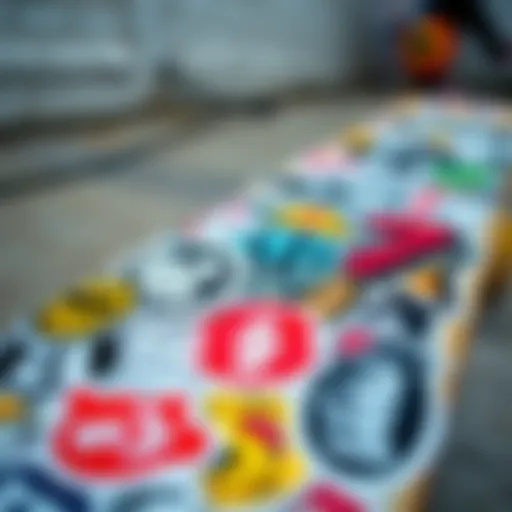
- Stickers and custom wheels: Personalizing your setup can make the experience more enjoyable and unique.
Safety Gear and Recommendations
Though fingerboarding is generally safer than traditional skateboarding, having proper safety measures in place is still advisable. Here are a few recommendations:
- Finger guards: These can help prevent strains or injuries during intense sessions.
- Protective mats: Using a designated area with soft mats can cushion any falls, protecting both you and your gear.
Staying safe while enjoying fingerboarding can enhance your experience, allowing you to focus on what you love without worry.
"Fingerboarding is not just about tricks; it's about expression, creativity, and community."
As we further explore the intricacies of fingerboarding, we'll dive deeper into the community dynamics and the influence of social media platforms in shaping this vibrant culture.
Prologue to Fingerboarding
Fingerboarding holds a unique place in the world of skating, acting not only as a hobby but also as an art form that captures the essence of traditional skateboarding in miniature. Its significance in this article stems from its rich tapestry of history, culture, and the community surrounding it. Understanding fingerboarding goes beyond just learning tricks; it’s about appreciating the dedication, creativity, and camaraderie that springs from the sport itself.
Fingers may be the primary tools for this engaging pastime, yet the intricacies involved provide a gateway into a vibrant culture. For skaters, coaches, parents, and educators, fingerboarding represents an avenue to enhance dexterity, coordination, and focus—skills that are beneficial not only in the sport but also in various aspects of life. By exploring fingerboarding, one uncovers a narrative filled with passion, growth, and energetic exchanges that have drawn enthusiasts of all ages into a community that thrives on innovation and expression.
Origins of Fingerboarding
The roots of fingerboarding can be traced back to the late 1970s, when skateboarders began creating small wooden skateboards to mimic their larger counterparts. Originally viewed as a playful outlet, these tiny boards were often crafted from scrap materials—the idea was to replicate the feel of skating, making it a compact and accessible way for enthusiasts to practice tricks. However, it was in the late 1980s that fingerboarding started to gain serious traction, particularly with the introduction of mass-produced fingerboards.
"Fingerboarding isn't merely a pastime; it’s a celebration of creativity and freedom of expression, stirred by the enthusiasm of young skaters around the world."
The emergence of brands like Tech Deck, which provided ready-made fingerboards with graphics and features reminiscent of full-sized skateboards, helped to standardize the equipment further and make it available to a broader audience. This accessibility diversified the community, attracting kids who might not have the means or space to skate outside. With the expansion of available products, fingerboarding quickly morphed from a fun niche activity to a more recognized form of expression within skate culture.
Development of Popularity
As the 1990s progressed, fingerboarding continued to evolve, aided by advancements in technology and cultural movements. The launch of websites and forums dedicated to fingerboarding garnered collective interest, allowing enthusiasts to share their techniques, tricks, and videos. This online presence only catalyzed the sport's evolution, showcasing talented fingerboarders and inspiring newcomers to pick up their boards.
Social media platforms have played a pivotal role in propelling fingerboarding into new heights. With the advent of platforms like Instagram and TikTok, fingerboarders can now post tutorials, share their tricks, and connect with a global audience instantly. Not just a sport, fingerboarding has grown into a global phenomenon.
Moreover, events and competitions, once limited to intimate gatherings, have blossomed into exciting showcases attracting participants from varied regions, further solidifying fingerboarding’s reputation within the skating realm. Today, the popularity of fingerboarding continues to soar as it helps to bridge generational gaps and engage communities, opening doors to enjoyable creative expression that transcends age.
The Mechanics of Fingerboarding
Understanding the mechanics of fingerboarding is essential for anyone looking to delve deeper into this unique activity. It encompasses not only the physical aspects but also the tools and techniques that define this small-scale skateboarding practice. This section elucidates how these components work together to create a dynamic and engaging experience, ultimately enhancing the skill set of both newcomers and seasoned fingerboarders alike.
Understanding the Equipment
Types of Fingerboards
When talking about types of fingerboards, it’s crucial to note that not all boards are created equal. The most common ares like wooden boards, plastic boards, and even pro models that reflect the artistry of traditional skateboarding. Wooden boards often provide a better feel and are typically more durable, while plastic boards are lighter and easier to handle for beginners.
The choice of board can make all the difference. Each material brings its own nuances to how tricks are executed and how comfortable the rider feels. For example, wooden boards can take more wear and tear but may be pricier. Conversely, plastic boards appeal to younger audiences due to their affordability yet might lack the same level of response as wood. Choosing the right type of fingerboard hinges on the rider's skill level and preferences.
Components and Materials
Components like trucks, wheels, and bushings play a significant role in the fingerboarding experience. Trucks hold the wheels in place and allow for turning and tricks, while wheels come in various hardness levels, affecting how the board rolls. Most fingerboarders prefer softer wheels for better grip, while harder wheels are chosen for speed.
A notable standout feature is the bushing, which collectively with the trucks influences how tight or loose the board feels during a trick. The right combination can significantly affect performance and comfort while riding, making the understanding of these materials paramount for anyone serious about fingerboarding.
Deck Design and Graphics
Deck design and graphics hold more significance than one might initially think. The aesthetics of a fingerboard can reflect a rider's personality and style, making the sport more individualized. Graphic designs can range from minimalist options to vibrant, intricate art that tells a story. The shape of the deck also plays a critical role. Many enthusiasts prefer a concave shape as it provides greater control during maneuvers.
It’s an interesting balance, however, as a highly decorative board could be visually appealing but also might influence how it performs. Riders often swap out decks based on their tricks or for aesthetic reasons, making the design an ongoing element of personal expression.
Essential Techniques
Basic Tricks
Basic tricks lay the groundwork for aspiring fingerboarders. Stuff like ollies or kickflips are foundational, familiarizing riders with balance and control. These tricks become building blocks for later, more advanced maneuvers. Learning these can often lead to a satisfying mastery of the board, instilling confidence and skill.
Each time you land a trick, it’s not merely a success; it's a rite of passage, encouraging perseverance and commitment. The beauty is that these skills translate into enjoyment – fingerboarding isn’t just about competition, but also about play.
Intermediate Moves
Intermediate moves build upon basic tricks and introduce more complexity. Tricks like the 360 flip or the Smith grind require additional precision and understanding of weight distribution and board response. These moves are not only tricks; they showcase the rider’s progression and creativity.
Mastering intermediate moves often cements one’s place within the fingerboarding community, as it showcases dedication. Riders often find joy in pushing their capabilities, experimenting with different angles, and tailoring their approach.
Advanced Maneuvers
At the advanced level, riders often display a blend of technical skill and individual style. Tricks such as the noseblunt slide or the hardflip require a deep understanding of the mechanics involved. Not only must the rider execute these moves expertly, but they must also adapt to various environments, visualizing how their board interacts with different surfaces.
Advanced maneuvers can be both exhilarating and daunting, laying the bridge to gaining recognition within the fingerboarding community. The challenge here is how to continuously innovate and surprise both oneself and other riders while performing such moves.
"With every flick, we push boundaries, making every session an exploration of skill and creativity."
Throughout this exploration, fingerboarding reveals itself as not just a pastime but an art form, driven by passion and creativity.
Cultural Implications
Understanding the cultural landscape of fingerboarding is crucial in appreciating how it intertwines with broader societal themes. Fingerboarding isn't just about tiny boards and intricate tricks; it's a reflection of community, creativity, and a shared identity among enthusiasts. The cultural implications are vast and multifaceted, highlighting aspects such as its connection to skate culture, the influence on youth, and the visual artistry involved in the sport.
Fingerboarding and Skate Culture
Connection to Traditional Skateboarding
Fingerboarding borrows heavily from traditional skateboarding, serving as a microcosm of the larger scene. Just like full-sized skateboards, fingerboards cater to creativity and individual expression. The tricks, movements, and even the culture echo what one might find at a skate park where skaters gather.
The community ties fostered through fingerboarding serve as a bridge, connecting younger generations with traditional skate culture. As kids pick up fingerboards, they often seek inspiration from their favorite professional skateboarders, mimicking their maneuvers in a more accessible format. This connection enhances the sense of belonging and provides a pathway into the broader world of skating.
One key characteristic here is the accessibility. Fingerboarding allows younger enthusiasts to engage with the culture without needing the extensive gear or space that skateboarding requires. Their small size means they can ride anywhere—from desks to classroom floors—making it a more inclusive choice in the landscape of recreational activities.
Influence on Youth Culture

The influence of fingerboarding on youth culture cannot be understated. In many ways, it's a form of self-expression that resonates deeply with young enthusiasts. The sport offers not just a distraction but also a creative outlet.
Fingerboarding encourages camaraderie among peers, fostering friendships and collaborative play. It builds social bonds in ways that are similar to team sports, but without the competitive pressure. The culture is about learning from each other, sharing tips on tricks, and celebrating individual progress, which makes it particularly appealing to the youth.
However, as with any subculture, there's a fine line between unity and elitism. Some might argue that online communities can lead to cliques, disenfranchising those just starting. Nonetheless, the overall influence of fingerboarding on youth culture is largely positive, promoting creativity, community, and confidence.
Visual Art and Fingerboarding
Fingerboarding is not merely a sport; it is also a canvas for visual art. The designs on fingerboard decks have become an integral part of the identity that enthusiasts take pride in. Many artists within the community express themselves through custom artwork on fingerboard decks, creating a vibrant noun that harmonizes sport and aesthetics.
This artistic expression provides an added layer of connection to the culture while also emphasizing individuality. Custom decks often showcase the personality and style of the rider, making each board not just a tool for tricks but also a piece of art.
Yet, this artistic focus can have drawbacks. The importance placed on aesthetics might overshadow performance for some, leading to debates about what defines a true fingerboarder. Balancing artistry and skill is a continual conversation within the community but, nevertheless, this symbiosis enriches the cultural significance of fingerboarding.
Community and Interaction
Online Communities and Forums
The rise of online communities has played a pivotal role in the growth of fingerboarding. Forums and platforms like Reddit have become hotspots for sharing knowledge, experiences, and techniques. These digital spaces allow enthusiasts from around the world to connect, collaborate, and showcase their skills.
A significant characteristic of these online communities is the wealth of resources they provide. From video tutorials to discussion threads on tricks, these platforms offer invaluable support for both beginners and experienced riders. Additionally, participating in these forums enhances learning, as users share feedback on each other's videos and techniques.
On the flip side, while online interaction is great for community building, it can also create barriers. The vast amount of information can be overwhelming for newcomers, potentially leading to frustration or disillusionment.
Social Media Presence
Social media has transformed the way fingerboarding is perceived and shared. Platforms like Instagram and Facebook enable riders to post short videos and highlight their progress. The visual format is perfect for showcasing tricks, which helps in expanding the audience and drawing in newcomers.
The key feature of social media presence is its immediacy; feedback from followers is quick, allowing for swift recognition of talent. Many riders gain followers through their skills, which can turn into sponsorships and opportunities in the fingerboarding world. However, this relentless pursuit of likes can also skew the community's values, fostering an environment where style outweighs substance.
Meet-ups and Competitions
Beyond the digital realm, meet-ups and competitions form a backbone of the fingerboarding community. These events allow riders to meet in person, share techniques, and challenge one another, creating excitement that online interactions often fall short of.
One noteworthy characteristic of these gatherings is their ability to foster genuine connections. Whether through local events in skate shops or larger competitions, riders often report feeling a sense of belonging and camaraderie during these interactions.
However, there is a downside to the competitive aspect. While competitions can inspire improved skills, they may also induce pressure and anxiety. Balancing the fun side of fingerboarding with competition can be tricky for some, but when navigated successfully, these events can significantly contribute to the community’s vibrant culture.
Modern Developments in Fingerboarding
As technology progresses and cultural trends shift, fingerboarding has also seen significant advancements that have reshaped how the activity is perceived and practiced. Modern developments in fingerboarding highlight the interplay between digital innovation and traditional skate culture, leading to a new dimension in how enthusiasts engage with this unique hobby. In this section, we will delve into prominent technological influences and innovations in equipment that are transforming fingerboarding into a multifaceted experience.
Technological Influences
Video Tutorial Platforms
Video platforms play a pivotal role in popularizing fingerboarding techniques, offering accessible learning resources to both beginners and seasoned enthusiasts. Websites like YouTube and TikTok are focal points where fingerboarders share tutorials. The interactive nature of these platforms allows users to watch and rewatch intricate moves at their own pace, which is particularly advantageous for trick mastery. Moreover, having a visual guide enhances understanding considerably.
The community aspect is also a strong characteristic of these platforms. Engaging with other fingerboarders fosters a sense of belonging and motivates individuals to push their skills further. However, one downside could be the overwhelming amount of content. With so many tutorials available, it might leave newcomers feeling lost or unsure about where to start.
Streaming Events and Competitions
Streaming events have revolutionized how competitions are conducted and viewed. Platforms such as Twitch and Facebook Live allow fans and competitors to watch live fingerboarding contests from the comfort of their home. This approach not only broadens the audience but also creates an inclusive environment where participation is possible without requiring a physical presence. Followers gain immediate access to cutting-edge techniques and innovative moves.
A key feature of streaming events is the ability for viewers to interact through live chats. This interaction deepens the connection between competitors and their fans, generating excitement and community engagement. However, live streaming relies heavily on stable internet connections and can sometimes lead to technical glitches, which may detract from the overall viewing experience.
Augmented Reality Applications
Augmented reality (AR) applications are beginning to carve a niche in fingerboarding. They're offering users immersive experiences that blend the physical and digital worlds. For instance, certain apps allow fingerboarders to project skate parks onto real-world settings through their smartphones. This feature encourages creativity by enabling users to design their own custom skate spots.
The main advantage of AR is that it provides a novel way to practice tricks and share experiences with friends. Users can virtually showcase their skills in exciting new ways. Conversely, the reliance on technology can sometimes be a barrier for those who prefer traditional methods, and accessibility to AR tools can vary among enthusiasts.
Innovations in Equipment
Customizable Options
Customizability in fingerboarding gear has redefined the landscape for enthusiasts, allowing riders to tailor their setups to fit personal styles and preferences. Custom fingerboards can be crafted from a wide array of materials, offering diverse riding experiences. Whether it’s different wheels, deck shapes, or even graphic designs, personalization has become a hallmark of the fingerboarding community.
The option for customization helps to foster individuality, allowing fingerboarders to express their personalities through their equipment. On the flip side, this can lead to heightened competition to have the most unique board, which might pressure some riders to invest more than they planned.
Brands Dominating the Market
Several brands have stepped up to dominate the fingerboarding market, creating high-quality products that appeal to enthusiasts of all skill levels. Companies like Blackriver Ramps, FlatFace, and Tech Deck have all carved out significant niches. Their commitment to innovation ensures that new riders are equipped with reliable hardware, paving the way for deeper engagement.
The presence of established brands elevates the sport, providing accessibility and convenience for new fingerboarders. However, the downside often lies in the commercialization of the sport, potentially overshadowing smaller, independent brands that offer unique products.
Environmental Considerations
As environmental issues continue to gain importance globally, the fingerboarding community is not exempt. Many enthusiasts are advocating for eco-friendly materials and sustainable practices when it comes to producing equipment. This shift reflects a broader trend towards environmentally responsible production methods, with brands beginning to explore options like recycled plastics and sustainably sourced wood.
Addressing environmental considerations helps the community align with the values of contemporary consumers, potentially attracting a new demographic of fingerboarders who prioritize ecological impact in their purchasing decisions. Nevertheless, the transition to sustainable practices can often present financial challenges for smaller businesses that may lack the resources to adapt quickly.
In summary, modern developments in fingerboarding not only enhance the practice but also emphasize the importance of community and accessibility. Technological advancements bring opportunities for innovation while equipment brands help shape the product landscape for all levels of enthusiasts.
Fingerboarding as a Competitive Sport
Competitive fingerboarding transforms what might seem like a playful hobby into a serious sport, attracting enthusiasts who embrace the challenge and adrenaline of performance. This feature not only elevates fingerboarding’s profile within the skater community but also offers participants a structured way to showcase their skills. The thrill of competition often pushes individuals to hone their techniques, develop their own styles, and connect more deeply with community members who share the passion.
Understanding Competitions
Formats and Judging Criteria
The formats for fingerboarding competitions vary, but they typically come down to jam sessions or individual runs. In a jam format, competitors perform simultaneously, and the crowd discerns the top performers based on style and skill. Individual runs, on the other hand, allow participants a set time to showcase their best tricks and combos.
Judging criteria usually revolves around complexity, style, execution, and innovation. It's the thrill of taking a normally casual practice and placing it under the spotlight where one can truly shine or falter. Having these well-defined criteria helps both judges and competitors know what’s at stake.
"In competitions, it’s not just about nailing the tricks; it’s about telling a story with your board, finishing with a flourish that resonates with judges and spectators alike."
This format's main advantage is that it encourages growth through criticism and observation, but some may argue that strict criteria can stifle creativity. Finding a balance between innovation and skill execution remains crucial for any competition's success.
Notable Competitions
Among the most renowned competitions, events like the Fingerboard World Cup and the Berlin Fingerboard Events stand out. These gatherings not only host elite fingerboarders but also attract followers and brands eager to showcase new products. This vibrant environment fosters a sense of community akin to traditional skateboarding contests. Such competitions are essential for providing visibility to emerging talents while also providing a platform for experienced riders to elevate their status.
A notable characteristic is that participants get a chance to engage with industry leaders, often leading to sponsorship opportunities or collaborations. However, the competitive nature can sometimes deter beginners and non-pros, which begs the question: how inclusive should these competitions remain?
Building a Competitive Mindset
To thrive in the competitive realm of fingerboarding, it's vital for enthusiasts to cultivate a mindset that embraces perseverance and resilience. Challenges faced during competitions can serve as learning opportunities that can shape a fingerboarder’s future techniques or performances. Key to building this mindset is to approach each event with the attitude of self-improvement rather than mere victory. For many, this shift in focus fosters camaraderie and support versus rivalry.
By nurturing this mindset, participants become more than just competitors; they create an environment in which everyone can sharpen their skills and celebrate achievements, large or small. It’s a double-edged sword: competition pushes boundaries, yet can also overwhelm novice skaters doing their best.
Profiles of Prominent Fingerboarders
Achievements and Contributions
Prominent fingerboarders have made significant contributions that transcend their personal successes. Athletes like Constantin Kock and ‘the godfather’ himself, Greg Jordan, built impressive portfolios of achievements, helping push the sport into more mainstream spaces, bridging gaps in both equipment manufacturing and sponsorships.
Without their efforts, fingerboarding might not have the resources and recognition it enjoys today. Their personal brands often inspire others and elevate the community's overall credibility.
However, rising stars need support to ensure the competition becomes a nurturing ground rather than a cut-throat arena.
Inspiration for New Generations
Fingerboarding not only opens doors for competition but also serves as a source of inspiration for younger generations. Established pros frequently participate in workshops or online tutorials, sharing their skills and encouraging newcomers. Their journey — with all its pitfalls and triumphs — acts as a blueprint for those just starting.
This generational bridge fosters an environment where learning and growth are pivotal, allowing newer skaters to become adept in time while rooting their foundation in solid fingerboarding techniques.
However, it’s important that legends ensure their advice is accessible, as barriers can sometimes appear intimidating.
Impact on the Community
Lastly, the overall impact that competitive fingerboarding has on the community should not be overlooked. Competitions bring together skaters from various backgrounds, creating a melting pot of styles and techniques. Events often serve as networking opportunities where friendships form and collaborations flourish, ultimately shaping the future of the fingerboarding scene.
Yet, for all the excitement of these gatherings, it's crucial to address the divides that can form between seasoned competitors and those just starting. Creating inclusivity is an ongoing challenge for organizers, who must keep their events welcoming.
Ultimately, fingerboarding as a competitive sport isn't merely about winning; it embodies a collective journey, a shared passion — an enduring tale that continues to unfold as newcomers and veterans alike board together.
The End
Fingerboarding, a captivating blend of skill and creativity, stands as a testament to the passion and dedication of its community. As we look at the future of fingerboarding, it's crucial to recognize the evolving landscape shaped by technological advancements and cultural shifts. The importance of this topic lies not only in understanding the aesthetics and tricks associated with the discipline but also in recognizing how fingerboarding connects various facets of society.
The Future of Fingerboarding
The future of fingerboarding appears promising, driven by several factors. As technology continues to advance, we are likely to see innovations that enhance both the experience and accessibility of the sport. For instance, augmented reality applications could allow enthusiasts to visualize tricks in a more interactive manner, bridging the gap between the digital and physical realms. Furthermore, the rise of social media platforms enables skaters to showcase their talents to a global audience. This visibility fosters a sense of community and inspires newcomers to take up fingerboarding.
"The wheels are always turning in the world of fingerboarding; what was once a niche hobby has the potential to become a significant player in the realm of sports and entertainment."
Additionally, competition formats may continue to evolve, focusing more on inclusivity and creativity rather than just technical skills. This shift can attract a broader audience, providing space for both traditionalists and innovators within the sport. As brand collaborations and sponsorships increase, resources devoted to fingerboarding could encourage the development of better equipment and wider participation.
Final Thoughts
As we wrap up this exploration of fingerboarding, it’s essential to remember that this activity is more than just a pastime; it’s a vibrant culture that shapes identities and brings people together. As fingerboarding grows, it will undoubtedly face challenges, such as maintaining its authenticity while embracing new trends. However, the spirit of the community remains strong, with seasoned fingerboarders always ready to mentor the next generation.
In essence, fingerboarding is a microcosm of creativity, athleticism, and community spirit. It reflects society’s ability to adapt and evolve—drawing from past influences while paving the way for future innovations. For skaters, coaches, parents, and educators, acknowledging these dynamics offers a path to not just appreciate fingerboarding but to foster its growth and impact.