Choosing the Best Skates for Beginner Skaters
Intro
When it comes to stepping onto the skating rink for the first time, choosing the right skates can set the stage for a successful and enjoyable journey. Picture yourself gliding smoothly with the wind in your hair or navigating the twists and turns of a skate park — that thrill is accessible, but it begins with the right gear. This article aims to empower beginners, ensuring they have the knowledge to select skates that are suitable for their needs, preferences, and skill level.
The world of skating is vast, encompassing various styles and types of skates, each designed for distinct activities and levels of expertise. From figure skating to roller skating, the choices can be as overwhelming as they are exciting. However, understanding foundational elements such as comfort, fit, and functionality is key to unlocking your potential on wheels.
Navigating the Skate Landscape
To make an informed decision, one must consider essential factors that contribute to growth and enjoyment in skating. Comfort is paramount; skates should feel like a second skin without pinching or causing blisters. The fit is equally important as it affects stability and control. Furthermore, understanding the features of different types of skates can greatly influence a beginner's experience. Do they prefer something for indoor skating or are they looking to skate outside? Questions like these help narrow down choices and lead to a more satisfying selection process.
Before diving into the world of gear reviews and specific recommendations, let’s discuss one critical aspect of skating — Skills Development.
Skills Development
Basic Tricks and Techniques
For beginners, the journey starts with understanding basic skating techniques. Mastering the simple skills can build a solid foundation for more complex maneuvers later on. Starting with proper stance and balance is vital. Knees should be slightly bent, and the body should be slightly forward to maintain equilibrium. This stance not only aids in preventing falls but also prepares you for learning essential techniques like stopping and turning.
The next step often involves learning how to stop. Beginners frequently use various stopping techniques such as the T-stop or the heel brake.
- T-stop: Master this by dragging one foot behind you, creating a T shape; this technique is optimal for controlling speed without losing balance.
- Heel brake: Press down with the heel of one skate while maintaining a straight posture to come to a smooth stop.
Getting a hang of these basics helps instill confidence and encourages newcomers to try more challenging skills. It’s like laying the groundwork for a house — without a strong base, the structure will falter.
Advanced Maneuvers and Tips
Once the basic skills are second nature, it’s time to take things up a notch. Advanced techniques involve more dynamic movements that can elevate a beginner’s skating experience.
Learning how to cross over turns can drastically improve agility and speed. By moving one skate over the other when turning, you'll achieve smoother transitions. Another skill to practice is the one-foot glide. This technique not only looks impressive but also enhances balance and control on skates.
Practicing these advanced skills in a safe environment is key. Find a smooth area with ample space to avoid collisions, allowing freedom to experiment and learn without the fear of falling on a crowded rink.
"Skill development in skating combines persistence and practice; progress may be slow, but the rewards are considerable."
The importance of regular practice cannot be overstated. Set short-term goals, whether it be mastering a stop or perfecting a crossover. Small improvements lead to greater confidence and enjoyment in the long run.
In the following sections, we will explore various gear and equipment that cater to beginners, ensuring you have the best tools at your disposal to support your growth in skating. Stay tuned as we delve deeper into the world of skates and the accessories that can enhance your experience!
Understanding the Basics of Skating
When it comes to picking skates, understanding the basics of skating is crucial. This knowledge lays the groundwork for a successful and enjoyable skating journey. For newcomers, grasping the definition, purpose, and various types of skating can significantly influence their choices and overall experience.
Definition and Purpose of Skating
Skating can be defined as the act of moving by gliding on a surface with the aid of skates. While it might seem simple on the surface, skating has both recreational and practical purposes. It can be a fun activity to engage in with friends or a means of transportation in certain contexts, like rollerblading to school.
The purpose of skating serves not only to provide a source of joy but also to serve as a form of exercise. It improves balance, coordination, and cardiovascular health. For beginners, understanding these aspects highlights why they are investing time and money into this activity. Just like learning a new language, grasping the basic elements of skating can open up a whole new world of enjoyment.
Types of Skating
Each type of skating comes with its unique set of characteristics that can cater to different preferences and interests.
Roller Skating
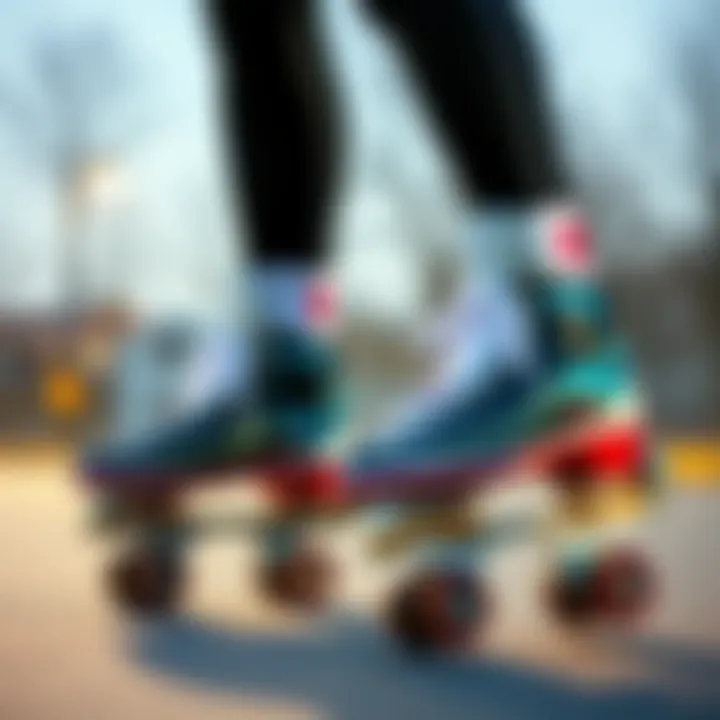
Roller skating is often synonymous with leisurely fun at rinks or parks. The key characteristic of roller skates is their four wheels, arranged in pairs on each side. This setup offers beginners a stable platform. The stability of roller skates provides a beneficial option for newcomers who might find balance challenging at first. This type also allows for varied movements, from simple gliding to more intricate dance-style skating.
However, roller skating can come with its drawbacks. The surface must be appropriate; uneven terrain can lead to mishaps. When it comes to advantages, roller skating is easily accessible, usually not needing special ice rinks or climate considerations.
Ice Skating
Ice skating takes the thrill to a whole new chilly level. One notable quality of ice skates is their blade, which enables gliding over a smooth, icy surface. This offers a different experience compared to roller skating as it can create a feeling of flying, which can be exhilarating but also daunting for beginners.
Ice skating does require access to specialized rinks, and those new to it may find the learning curve steeper due to the balance required on blades vs. wheels. Nonetheless, it is a popular choice among those looking to engage in winter sports or simply enjoy its artistic aspects.
Inline Skating
Inline skating is often seen as the "goldilocks" option, combining elements from both roller and ice skating. With wheels in a single line, these skates can achieve impressive speeds while retaining a level of agility. This unique feature can make inline skating an enticing choice for beginners interested in fitness or speed.
However, inline skates can be trickier to balance on at first, as their design leans more towards advanced movements. Yet, for those willing to tackle the learning curve, inline skating presents countless advantages, including the ability to maneuver through various terrains smoothly.
In summary, each type offers something different—the stability of roller skating, the artistic flair of ice skating, and the speed of inline skating. Understanding these differences can help beginners decide which path to embark on, making their journey towards selecting the right skates an informed one.
"Understanding different skating types is key to enjoying the journey. Choose wisely, and let the thrilling glide begin!"


As they delve more into these types, beginners should keep in mind their personal interests and the environments they will be skating in. This foundational knowledge sets the tone for making informed choices later in the skates selection process.
Importance of Choosing the Right Skates
Selecting the appropriate skates is more than just a matter of personal preference; it’s a critical factor that greatly impacts a beginner's overall experience with skating. When one embarks on their skating journey, the right skates can provide a solid foundation for skill development, enjoyment, and even safety. Many novice skaters overlook this important aspect, assuming that any pair will do, yet the truth is that skates designed specifically for beginners offer distinct advantages.
Impact on Learning
Every skater starts somewhere, and the initial learning phase can make or break one’s enthusiasm for the sport. The right pair of skates is instrumental in helping a beginner develop their skills efficiently.
- Comfort leads to Confidence: Skates that fit well allow skaters to focus on learning, instead of being distracted by discomfort or pain. A snug yet comfortable fit can keep newcomers willing to spend more time practicing.
- Responsive Design: Skates tailored for beginners often have a design that helps with stability and control. For instance, recreational skates usually come with a low center of gravity, allowing beginners to balance better, which is vital when learning to skate.
- Gradual Progression: Using the right skates helps to foster gradual skill development. Beginners can build their confidence by mastering basic techniques without the hindrance of unsuitable equipment. For example, those who choose skates with supportive ankle collars often find it easier to develop proper posture and braking techniques.
"Having the right skates is like having the right tools in a toolbox; it makes all the difference when you set out to create something new."
Safety Considerations
Safety cannot be emphasized enough when it comes to skating. The right skates play a vital role in ensuring not just an enjoyable experience, but also a safe one. Beginners, especially children, are at an increased risk of falls and injuries if they’re using inappropriate or ill-fitting skates.
- Enhanced Stability: Skates designed for beginners typically offer better stability features, which can drastically reduce the chances of falls. Skaters can find better grounding if their skates have wider wheels or a design that promotes balance.
- Adequate Protection: Proper skates come with features that protect the foot and ankle. Ample padding and a secure closure system can prevent injuries that might arise from the sudden impacts or twists that can occur during skating.
- Braking Systems: Beginners need skates with an effective brake system in place. Different types of skates come with varying brake designs, and opting for skates with a reliable brake system can make a significant difference in stopping safely. This is crucial as it allows skaters to get accustomed to slowing down and stopping effectively, minimizing accidental falls or collisions.
In summary, the importance of choosing the right skates cannot be understated. When beginners invest their time into selecting skates that cater to their specific needs, they not only improve their learning curve but also enhance their safety on the rink or road. Through mindful choices, skaters set themselves up for a successful and enjoyable skating journey.
Key Features to Consider for Beginners
Selecting the right skates for beginners isn’t merely a matter of picking the shiniest pair off the shelf. It's about understanding the core elements that contribute to a smoother, more enjoyable experience. When beginners initiate their skating journey, every tiny detail can significantly influence their comfort, learning curve, and safety. That's why a thorough evaluation of key features becomes essential.
Everything from fit to wheel size can make or break a beginner's enthusiasm. If a novice skater feels secure and comfortable, they're more predisposed to embrace the activity and improve their skills quickly. On the flip side, improper equipment can lead to discomfort or even injury, creating a barrier to learning. Let's break down these components further.
Fit and Comfort
Comfort should be a cardinal rule when it comes to choosing skates. Skates that fit poorly can lead to blisters, soreness, and even long-term injuries. Beginners often underestimate the importance of a snug fit; skate fittings usually should embrace the foot without being overly tight. Ideal skates should secure the heel while providing a bit of wiggle room for the toes. This balance is crucial, as a loose fit can lead to stability issues, causing falls and discouragement.
As you try on skates, consider wearing the socks you intend to use while skating. After all, if you get that fit just right with the wrong socks on, it might be a different story once you hit the rink.
Wheel Types and Sizes
The wheels on your skates heavily influence both your speed and control. Beginners typically face a choice between soft wheels and hard wheels, and each has its perks.
Soft Wheels vs. Hard Wheels
Soft wheels tend to grip more effectively on rough surfaces, thus providing stability for learners. The give in the wheel compresses when rolling, which absorbs shocks and eases the strain on the skater. This can help novices feel more confident when navigating their environment. However, they may drag on smoother surfaces, somewhat limiting speed.
In contrast, hard wheels glide smoothly over polished surfaces, thus favoring those aiming for speed. While they promote quicker movement, the lack of grip can become tricky for newcomers. Learning to brake on hard wheels can be a challenge and may even lead to falls if not handled with care.
"The right wheels can turn a tumble into a shimmer of success on the rink!"
Diameter and Its Influence on Speed
Diameter also plays a critical role in the overall performance of skates. Larger wheels tend to roll faster and offer a smoother experience on flat surfaces. However, for beginners, smaller wheels typically provide better stability, which is necessary when learning the ropes. The trade-off here is speed versus control; while bigger wheels let you zoom ahead, they can be more challenging to maneuver.
It’s worth noting that a smaller wheel might also give more responsive turning, which could help beginners get used to navigating tighter spaces safely. So, beginners should take this into account—picking the right diameter can ultimately set the stage for a confident start.
Boot Material and Support
When it comes to the construction of skate boots, there is a fine line between lightweight materials and adequate support. Beginners need sturdy boots that offer enough support, especially around the ankles. This stability allows for better balance and control. Synthetic materials or reinforced plastic often provide sufficient support while keeping the weight down. Moreover, adequate padding contributes to comfort, further helping one to stay focused on learning instead of battling discomfort from ill-fitting equipment.
Brake System Options
The effectiveness of brakes can vary depending on the type of skates. For beginners, having a reliable brake system can be paramount in aiding learning. One common option is the toe stop, which is easy to engage. Another is the heel brake, typically found in recreational skates. Some skaters find they prefer one type over the other, but trying various options will be enlightening. No matter the style, early familiarity with whichever braking system is chosen must be embraced to build confidence.
When grappling with the nuances of skating, the right choice comes down to personal preference balanced with safety needs. By zeroing in on fit, wheel types, boot material, and braking options, beginners can effectively pave their way to a fruitful skating journey.
Types of Skates for Beginners
When embarking on the journey of skating, understanding the different skates available is crucial for beginners. Each type of skate serves a unique purpose and caters to varying skating styles. With proper guidance on selecting the right type, newcomers can fully enjoy their experience while minimizing the risks associated with improper equipment. Consequently, recognizing the distinct features and benefits of various skates is indispensable.
Recreational Skates
Recreational skates are the go-to choice for those starting out in skating. These skates are designed to provide comfort and stability, which are essential for a beginner. Typically, they have a softer boot that wraps around the ankle, offering the support needed during those initial skating lessons. The wheels tend to be wider and softer, making for a smoother ride on uneven surfaces. Furthermore, recreational skates are available in both roller and ice versions, making them versatile for different environments.
Key features of recreational skates include:
- Comfortable fit: The softer boot material ensures that beginners can skate for longer periods without discomfort.
- Stability: The wide wheelbase helps maintain balance, which reduces the likelihood of falls.
- Affordable pricing: Most recreational skates do not break the bank, making them accessible for newcomers who may not be ready to commit to a more expensive type of skate.
Fitness Skates


For those who are looking to blend enjoyment with a workout, fitness skates serve as an excellent option. These skates cater to individuals seeking an active lifestyle and a way to keep fit while having fun. Fitness skates come equipped with features that not only enhance speed but also provide good support and comfort for longer skating sessions.
Notable aspects of fitness skates include:
- Sporty design: Often designed with speed in mind, they come with larger wheels which allow for quicker movement.
- Enhanced support: They usually have a stiffer boot which helps maintain foot structure while skating.
- Versatile usage: Beyond casual skating, fitness skates are also suitable for more structured workouts, making them a two-for-one deal for active individuals.
Aggressive Skates
Aggressive skates are aimed at the more adventurous spirits among beginners. These are specifically designed for tricks and skate parks, featuring a lower cut boot that enhances mobility. Despite being less common for true beginners, those who already have a bit of experience or are drawn to stunts may find these skates appealing.
When evaluating aggressive skates, consider the following:
- Durability: Made from tough materials to withstand rough landings and grinding, they can take a beating.
- Short wheels: These skates typically have smaller wheels that allow for better control and precision during tricks.
- Increased agility: The design encourages and facilitates movement, making it easier for skaters to pivot and alter their direction quickly.
Speed Skates
For those who have a need for speed, speed skates represent the pinnacle of skating performance. Tailored for racing, these skates have a streamlined design to minimize drag and maximize velocity. They are suited for those who've grasped the basics and are looking to enhance their skills on a competitive level.
Key features include:
- Long, narrow wheels: These provide improved speed while maintaining stability during high-speed maneuvers.
- Low-profile boots: Designed for aerodynamics, they offer less resistance and help maintain maximum energy transfer.
- Adjustable components: Some models come with customizable features that allow users to tweak their setup based on personal preference and skill level.
Choosing the type of skates suited to one’s needs can significantly impact a beginner’s skating journey. By matching the right skates to specific styles and goals, newcomers can set themselves up for success and enjoyment in their skating endeavors.
Evaluating Popular Skate Brands
When it comes to selecting the right skates for beginners, understanding the landscape of popular skate brands is crucial. It’s not just about the logo or the flashy colors; certain brands have built a reputation based on years of reliability, innovation, and user satisfaction. For newcomers, recognizing these brands can simplify the decision-making process and provide a sense of security in their investment.
Choosing a reputable brand often correlates with quality assurance. Popular brands typically prioritize design and manufacturing standards, ensuring that their products meet the needs of both novices and seasoned skaters. Furthermore, established brands usually have extensive customer support, which can be invaluable for beginners who might need guidance or assistance in their skating journey.
Top Brands for Beginners
Several brands have gained traction among beginners for their quality and affordability. Among them, the following stand out:
- Razor: Known primarily for their aggressive skates, Razor also offers recreational options that are ideal for beginners. Their skates provide a good mix of stability and maneuverability, making it easier for newcomers to gain confidence on wheels.
- K2: K2 focuses heavily on comfort and performance. Their skates often feature soft boot designs that adapt better to the shape of your foot, which is great for long sessions of skating without discomfort.
- Rollerblade: A pioneer in the skating world, Rollerblade emphasizes advanced technologies in their skates. Many of their entry-level models come with features that can elevate the skating experience for beginners, making them worth considering.
- Fila: Offering a variety of fitness and recreational skates, Fila has built a solid reputation for affordability without sacrificing quality. They cater well to skaters who are just starting and looking for dependable options.
In addition to these, various niche brands also serve specific needs and styles, such as urban skating or racing, expanding the choices available for beginners.
Brand Reputation and Reviews
While brand names carry weight, individual reviews can provide even deeper insights into a skate's performance and user satisfaction. Many platforms, like Reddit and forums dedicated to skating, offer users a space to voice their experiences and share tips. These reviews often highlight:
- Durability: How well the skates hold up over time under different conditions.
- Comfort: Often a crucial factor; skaters will frequently discuss how the fit and materials affect extended wear.
- Ease of Use: Beginners benefit from feedback about how simple the skates are to put on and take off, as well as how intuitive they feel on the rink or road.
Most importantly, these reviews can unveil any common issues that might not be immediately apparent through marketing materials. It's not uncommon for users to report concerns about specific models, from brake malfunctions to wheel responsiveness. Taking the time to read these accounts can prevent newcomers from making costly missteps.
"It’s not enough to look at the label. Real experiences—from those who have walked (or skated) the path before—offer the best roadmap for success."
In summary, when evaluating popular skate brands, it's vital to consider both brand reputation and user reviews. Doing so equips beginners with the insight necessary to make informed purchases, paving the way for a more enjoyable and safer skating experience.
Setting a Budget for Skates
When it comes to choosing skates, having a budget isn’t just a suggestion; it's a necessity. This section sheds light on the importance of setting a budget for your new skates, helping you to navigate the wide world of options without feeling overwhelmed.
Understanding Your Financial Range
Setting a budget helps define what you can realistically spend, which narrows down choices and prevents you from losing sight of your priority: comfort and fit. New skates can vary quite a bit in price, from basic options under a hundred dollars, to high-end models that run well over three hundred dollars. Knowing the range you’re comfortable with can lessen the headache considerably.
Benefits of Sticking to a Budget
While expensive skates might seem appealing and might come with enhanced features, that doesn’t necessarily guarantee a better skating experience for a beginner. Affordable skates can still provide decent quality without breaking the bank. Sticking to your budget ensures that you can allocate funds toward other important aspects of getting started, such as lessons or protective gear. After all, the last thing you want is to skimp on safety while trying to find your footing in skating.
Understanding Price Points
The price of skates is influenced by various factors including brand reputation, technology, and materials used. Knowing how to interpret these price points helps you evaluate the value you're getting.
- Entry-Level Skates: Typically range from $50 to $150, ideal for first-timers who want to test the waters without diving deep into their pockets.
- Mid-Range Skates: Price range is generally between $150 and $250. These offer better durability and comfort without going into luxury territory.
- High-End Skates: Over $250. These are often designed with professional skaters in mind. Features include high-tech materials and specific supports that might not be necessary for beginners.
Understanding these price points equips you to make better decisions and avoids any buyer's remorse down the line.
Where to Buy Skates
Finding the right place to purchase your skates matters just as much as knowing what your budget is. You have two main routes to choose from: local skate shops and online retailers. Each has its perks and pitfalls worth exploring.

Local Skate Shops
Community Connection: Shopping at local skate shops can be more than just a retail experience; it’s about being a part of a community. Staff at these shops usually have firsthand skating experience, making their insights particularly valuable.
Key Characteristic: Personalized service. When you walk into a local skate shop, you can receive dedicated attention that online shopping can’t replicate. Employees can offer tailored advice based on your needs and even help you try on different skates to find that perfect fit.
Advantages and Disadvantages: While local skate shops typically provide a supportive environment and expert guidance, prices can sometimes be higher due to overhead costs. There may be limited inventory, depending on the shop's size, making it a bit tougher to find specific brands or styles.
Online Retailers
Expansive Selection: Online retailers boast the advantage of variety like no other. You can browse an entire inventory from brands all over the world without leaving your couch. This can be especially useful for beginners looking for specific features.
Key Characteristic: Competitive pricing. Often, you can find better deals on online platforms compared to physical stores, saving you a few bucks.
Advantages and Disadvantages: Despite the assortment and pricing benefits, the biggest drawback is the inability to try on skates before purchase. Sizing can vary widely between brands, so buying online carries the risk of ending up with a pair of skates that don’t quite fit right. Additionally, the lack of personalized service means you don’t have access to the same level of expert advice you might find in a local shop.
Tips for Beginners on Skating
Skating can be both thrilling and intimidating for beginners. This section aims to provide essential insights that help newcomers not just to lace up their skates, but to really enjoy the journey that comes with it. Understanding the basics of skating and avoiding common pitfalls can significantly enhance one’s experience. It’s not just about the mechanics of skating; it’s also about building confidence and ensuring safety. Without a doubt, grasping key tips can pave a smoother path so that every glide feels easier and more enjoyable.
Basic Skating Techniques
When you first step onto the rink or pavement, a sense of excitement mixed with a hint of nervousness is natural. Here are several fundamental techniques to get you rolling:
- Stance: Begin with feet shoulder-width apart. Bend your knees slightly and keep your weight centered over your skates. This balanced position is key, making it easier to turn or stop.
- Gliding: Start with a simple push-off. Use your dominant foot to propel yourself forward. Push your foot out and then bring it back underneath your center of balance. After a few pushes, let your other foot glide to help maintain momentum.
- Stopping: Knowing how to stop is crucial for beginners. The snowplow stop is a good starting point. Simply turn your toes inward and push down on the heels. This method is effective and simple compared to more advanced stops.
- Turning: Gain speed gradually before attempting turns. Shift your weight to the inside edge of the skate that you are turning toward while applying gentle pressure. Practice this at slower speeds until it becomes second nature.
- Falling Safely: Falls are inevitable, so it’s important to learn how to fall safely. Aim to land on your side or back rather than on your wrists or knees. Rolling slightly can help disperse the impact and reduce the chances of injury.
Common Mistakes to Avoid
Even seasoned skaters make mistakes, but beginners can easily avoid them by being aware of certain pitfalls. Here are some common missteps to watch out for:
- Poor Fit: Skates that don't fit properly can lead to discomfort and poor performance. Ensure the skates are snug but not painfully tight. This helps maintain control and stability.
- Rigid Knees: Keeping your knees locked can throw off your balance and make gliding tougher. Always remember to bend your knees and maintain a fluid posture for better control when skating.
- Overcomplicating Things: Beginners might try fancy moves too soon. Stick to the basics at first. Master the fundamental skills before venturing into advanced techniques. This gradual approach makes progression smoother.
- Ignoring Surroundings: Being too focused on skating can make you oblivious to your environment. Always be aware of other skaters and obstacles around you. Keeping your head up helps prevent collisions.
"Skating isn’t just about speed; it’s about control and confidence over your movements, and understanding the principles can set the foundation for a lifetime of enjoyment."
- Not Practicing Regularly: Consistency is key. Skating once in a while won’t yield the same improvement as regular practice. Set aside time to practice at least once a week to build and retain your skills.
Incorporating these tips into every skating session can turn what seems daunting into an enjoyable rhythmic dance on wheels. With practice and patience, each glide will feel more graceful than the last, allowing fledgling skaters to discover the exhilaration that skating offers.
Maintaining Your Skates
Keeping your skates in top shape is as crucial as choosing the right pair in the first place. Regular maintenance not only ensures better performance but also enhances safety for beginners. A well-maintained skate can significantly impact your chances of enjoying a smooth gliding experience while minimizing the chances of unplanned falls due to equipment failure.
The importance of maintaining your skates cannot be overstated. When a beginner picks up skating, the last thing they want is to have to wrestle with faulty equipment. Understandably, most newcomers are eager to hit the rink or pavement, so negligence regarding maintenance can often derail their experience.
Cleaning and Upkeep
Cleaning your skates after every session can seem a bit tedious, but it can save you a heap of trouble down the road. First things first, always remove any dirt and debris from your skates after every use. This includes getting rid of any grime collected on the wheels and the boot.
- Wipe Down the Exterior: Use a damp cloth to wipe the outside. It helps to remove dust and dirt. For a more thorough clean, you might opt for a mild detergent if your skates have deep stains.
- Check Inside the Boot: Keep your feet happy! A quick check of the inside for moisture can prevent nasty odors and mildew from forming.
- Lubricating the Parts: The wheels and bearings often need a little bit of love. Use a dedicated speed lube on the bearings to keep them rolling smoothly. Make a habit of doing this every few skating sessions to ensure longevity.
Keeping the wheels and bearings cleaned and lubricated not only prolongs their life but also helps maintain speed. Trust me, no one likes the feeling of sluggish wheels!
When to Replace Parts
Part of taking good care of your skates is knowing when it’s time to replace parts. This may come up often with beginners who might not yet recognize the symptoms of wear and tear.
- Wheels: If you notice uneven wear or flat spots, it's high time for a replacement. Worn wheels can throw off balance and make skating more difficult.
- Bearings: The moment you hear a grinding noise or the wheels refuse to spin freely, go ahead and replace the bearings. They are the heart of smooth skating and should always be in top condition.
- Boots: If the boots are showing wear around the inside or the structural integrity feels compromised, get replacements sooner rather than later. Comfort is paramount, and if the boots aren't providing support anymore, it’s time to let them go.
Knowing when to replace parts can be a learning curve. Take your time and be attentive to how your skates feel. As a general rule of thumb, check your skates after every 10-15 sessions. More frequent checks during the initial learning stages will help you get attuned to the equipment's needs.
"The best care is preventative care. A little routine check can go a long way in keeping your skates safe and fun to use!"
Maintaining your skates is not just about keeping them clean; it's about ensuring they perform their best when you’re ready to glide. As with anything else in life, a little attention to detail makes a huge difference.
Finale: Making the Right Choice
Choosing the right skates as a beginner can feel like a sizeable task. However, taking the time to carefully evaluate your options is crucial. The right pair of skates can significantly enhance your skating experience, making it both enjoyable and safe. This section serves to sum up the considerations discussed throughout the article, emphasizing that every choice made should align with your personal skating goals, comfort needs, and safety requirements.
Recap of Key Considerations
When making a decision, keep these key factors in mind:
- Fit and Comfort: The primary step is to ensure the skates fit snugly but are not overly tight. A good fit can mean the difference between smooth gliding and painful blisters.
- Type of Skates: Depending on your interest, you might lean towards recreational skates for casual fun, or perhaps fitness skates if you're looking at exercise. It’s important to identify the type that matches your goals.
- Wheel Characteristics: Remember that the size and hardness of the wheels will impact your speed and control.
- Support and Design: Opt for a boot that provides the right amount of ankle support, which is particularly important for beginners still finding their balance.
- Brake System: Consider what brake system works best for your skill level. Learning to stop safely is paramount.
Final Recommendations
To boil it down, here are some pointers to aid your decision-making:
- Test Before You Buy: If possible, try before making a purchase. Feeling the skates on your feet can illuminate their suitability.
- Invest in Quality: While it might be tempting to go for the cheapest option, investing in a good pair of skates pays off in both durability and performance. They will last longer and offer better features.
- Stay Educated: Keep an eye on online forums and reviews on platforms like Reddit. User experiences can shed light on models that work well for beginners.
- Ask for Help: Don’t hesitate to seek advice from experienced skaters or professionals at local shops. They can provide valuable insights based on your specific needs.
In summary, the journey to finding the right skates begins with understanding your own needs. By strategically aligning your choice with your skating aspirations, you set yourself up for a rewarding and fulfilling adventure on wheels.